
Scorpion control Tucson naturally requires understanding habitat preferences and behavior. Key strategies include sealing entry points, maintaining a clean environment, using natural deterrents, and safe trapping methods like live traps with water/sand baits. Regular monitoring, environmental modifications (removing clutter, adjusting lighting), sealing cracks, and community education are vital for prevention. For severe infestations, professional eco-friendly treatments or baits recommended by local experts offer effective solutions.
Scorpion infestations pose a significant concern for residents across many regions, particularly in arid climates like Tucson, Arizona. These arachnids, though beneficial to the ecosystem, can become problematic when their populations surge within residential areas. Effective scorpion control is essential not only for mitigating health risks associated with stings but also for maintaining a comfortable and safe living environment. This article delves into the intricate world of scorpion behavior, offering practical and natural strategies for removal that residents in Tucson and similar regions can employ to regain control over their spaces.
- Identifying Scorpion Habitat in Tucson Homes
- Safe Scorpion Trapping Techniques for Beginners
- Natural Repellents and Safe Removal Strategies
- Preventing Reinfestation After Scorpion Control Tucson Naturally
Identifying Scorpion Habitat in Tucson Homes
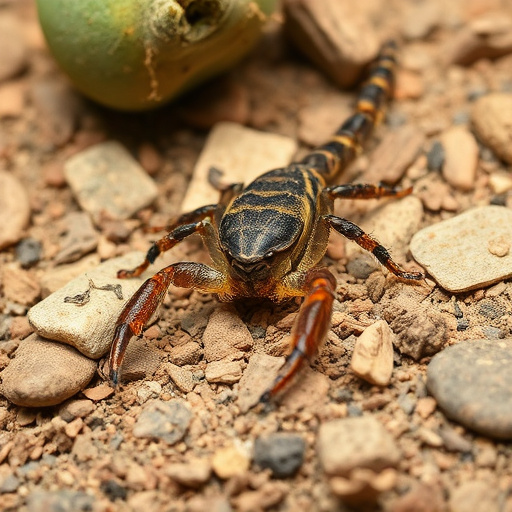
Scorpion habitats in Tucson homes present unique challenges for residents seeking effective scorpion control Tucson naturally. Understanding where these arachnids thrive is crucial for successful removal and prevention. In Tucson’s arid climate, scorpions are well-adapted to finding shelter in rock crevices, under debris, and within structural cracks of homes. They often enter through open doors or windows, attracted by heat sources and carbon dioxide exhaled by occupants. Common areas affected include kitchens, bathrooms, and laundry rooms—spaces with consistent moisture levels that scorpions find appealing.
Regular inspections are key to identifying these hiding spots. Residents should familiarize themselves with scorpion species prevalent in the region, such as the bark scorpion, known for its aggressive nature. During inspections, pay close attention to dark corners, behind appliances, under sinks, and along baseboards. In some cases, scorpions may build nests near moisture sources, like leaky pipes or poorly sealed windows, making it essential to address these issues promptly. Identifying and sealing entry points is a primary step in scorpion control Tucson naturally; this physical barrier prevents scorpions from establishing new habitats within homes.
Additionally, maintaining a clean and clutter-free environment significantly reduces attractions. Regularly removing leaf litter, woodpiles, and debris around the home creates less favorable conditions for scorpions to hide and breed. Implementing natural deterrents like diatomaceous earth or citrus peels in problem areas can also discourage scorpions from lingering. By combining these strategies, Tucson residents can effectively manage scorpion populations naturally, ensuring safer and more comfortable living spaces.
Safe Scorpion Trapping Techniques for Beginners

Scorpion control Tucson naturally begins with understanding safe trapping techniques designed for both effectiveness and minimal environmental impact. For beginners, a simple, humane trap is often the best approach. One effective method involves using a clear, plastic container with air holes. Fill it with a mix of sand and water, about 3 inches deep, to create an inviting but safe pit. This trick mimics natural burrows, encouraging scorpions to enter without posing any harm to them or your family. Place the container in areas where scorpions are known to frequent, such as near rocks or woodpiles, during the cool parts of the day, as scorpions are more active then.
Avoid using glue traps or other methods that can cause scorpions stress or pain. Glue traps, while effective, capture scorpions in a way that can lead to a slow and distressing death. Moreover, these traps can be hazardous for pets and children who may inadvertently trigger them. Opting for live traps allows for safe removal and subsequent relocation of the scorpion away from your home, promoting a more harmonious coexistence with these fascinating creatures.
Regular maintenance is key in scorpion control Tucson naturally. After setting traps, check them daily to ensure scorpions are captured humanely and promptly released. It’s important to wear gloves when handling any trapped scorpions, even if they appear docile, as some species can deliver a painful sting. Additionally, keep an eye out for signs of increased activity, such as feces or shed skin, indicating the presence of more scorpions, and adjust your trapping strategy accordingly. This proactive approach will not only help control current scorpion populations but also prevent future infestations.
Natural Repellents and Safe Removal Strategies
Scorpion control in Tucson naturally begins with understanding these arachnids’ behavior and habitat preferences. Scorpions are primarily nocturnal and tend to hide in dark, secluded areas during the day, such as cracks in walls, beneath debris, or inside rock crevices. Knowing this, one effective strategy is to reduce potential hiding spots by sealing gaps around windows, doors, and pipes with caulk. Regularly trimming vegetation and removing piles of wood or rubbish from your property can also deter scorpions.
Natural repellents offer a safer alternative to chemical pesticides for scorpion control Tucson naturally. Several essential oils like peppermint, lemon eucalyptus, and neem oil have been shown to repel scorpions. Dilute these oils in water and spray them around entry points and areas where scorpions are commonly spotted. You can also plant herbs known to deter scorpions, such as lavender, rosemary, and catnip, near your home’s perimeter. However, it’s important to note that while natural repellents are generally safer, they may not provide a long-lasting solution.
Should scorpions already be present, removing them safely requires careful handling. Scorpion stings can be painful and potentially dangerous for certain individuals, so wearing thick gloves is essential when physically removing scorpions. Use a sturdy container to scoop up the scorpion and gently place it outside in an area away from people and pets. In cases of severe infestation, consider seeking professional assistance from pest control experts specializing in scorpion control Tucson naturally, who can employ targeted, environmentally friendly techniques to resolve the issue effectively.
Preventing Reinfestation After Scorpion Control Tucson Naturally
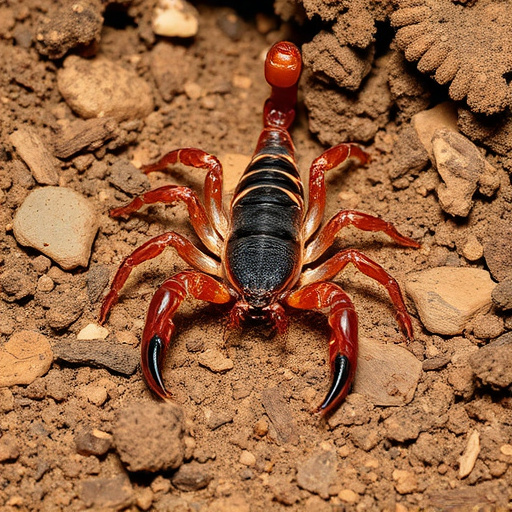
Preventing reinfestation after scorpion control in Tucson naturally is a multifaceted approach that combines environmental modification, exclusion strategies, and regular monitoring. One of the most effective methods involves addressing the habitat and conditions that attract scorpions. This includes eliminating clutter and debris around the home, as scorpions often seek shelter in stacks of firewood, garden tools, or fallen leaves. Maintaining proper lighting outside can also deter scorpions, as they prefer dark, hidden spaces. Using natural repellents like citrus oils, pine sol, or neem oil can further discourage scorpions from lingering.
Regular inspections are crucial to identifying and sealing entry points that scorpions might use to reinfest a property. This includes checking for cracks in foundations, gaps around pipes and cables, and openings in screens or doors. Sealing these areas with caulk or appropriate materials prevents scorpions from establishing new nesting grounds indoors. Additionally, professional scorpion control services in Tucson naturally can employ safe, eco-friendly methods like heat treatments or specific baits that target scorpions without harming beneficial insects or pets.
Community involvement is another critical aspect of preventing reinfestation. Educating neighbors on scorpion control practices and maintaining a coordinated effort can significantly reduce the likelihood of reinfestation. Sharing resources and strategies for identifying and managing scorpion populations creates a network of awareness that benefits everyone. Regular communication with local pest control experts or community health departments can provide up-to-date information on effective methods, new trends, and potential risks specific to the Tucson area.
By understanding scorpion habitat preferences and employing safe trapping techniques, homeowners in Tucson can effectively manage these stinging pests. Utilizing natural repellents and prevention strategies is key to scorpion control Tucson naturally. After successful removal, preventing reinfestation requires addressing entry points and maintaining a habitat unattractive to scorpions. This article has provided valuable insights into each step of the process, empowering readers with practical knowledge for safe and sustainable scorpion management in their homes.