
Scorpion control Tucson naturally relies on habitat modification to discourage scorpions without chemicals. Key strategies include planting repellent herbs, using gravel pathways, maintaining buffer zones, regular maintenance, and leveraging regional botanicals to create an environment less hospitable for scorpions. This holistic approach combines landscaping, proactive measures, and sustainable practices to keep homes free from scorpions.
Scorpion infestations pose a significant concern for homeowners in Tucson, where these arachnids are prevalent. While traditional pest control methods exist, many residents seek natural alternatives to minimize exposure to chemicals and promote environmentally friendly scorpion control Tucson. This article delves into effective landscaping strategies designed to deter scorpions from seeking shelter near homes. By understanding their behavior and implementing specific environmental modifications, residents can create a less hospitable environment for scorpions, fostering a safer and more comfortable living space.
- Understanding Scorpion Behavior: Key to Tucson Scorpion Control Naturally
- Creating an Uninviting Environment: Effective Landscape Design for Scorpion Deterrence
- Natural Solutions: Plants and Practices for Scorpion Control in Tucson Homes
Understanding Scorpion Behavior: Key to Tucson Scorpion Control Naturally

Scorpions are an integral part of Tucson’s ecosystem, but their presence near homes can cause concern for residents. Effective scorpion control Tucson naturally involves understanding these arachnids and their behavior patterns. Unlike popular belief, scorpions aren’t aggressive creatures; they primarily seek shelter and food sources. By recognizing their preferred habitats and triggers, homeowners can implement strategic landscaping techniques to deter these reptiles naturally.
One key approach is creating a physical barrier using specific plant choices. Scorpions are known to avoid certain scents, such as citronella, lavender, and rosemary. Planting these herbs around the perimeter of your property can serve as an effective repellant without resorting to chemicals. Additionally, incorporating gravel or rock pathways and planting low-growing groundcovers can make areas less inviting for scorpions to set up camp. These natural methods not only discourage scorpions but also promote a more harmonious coexistence with local wildlife.
Regular maintenance plays a pivotal role in scorpion control Tucson naturally. Keeping your lawn mowed and removing excessive vegetation reduces potential hiding spots. Ensuring proper drainage prevents stagnant water, as scorpions are attracted to moist environments for breeding. Moreover, sealing entry points like cracks in foundations or gaps around utility pipes can significantly decrease the likelihood of scorpion infestations. This proactive approach combines knowledge of scorpion behavior with strategic landscaping to create an environment that discourages these creatures from entering homes.
Creating an Uninviting Environment: Effective Landscape Design for Scorpion Deterrence
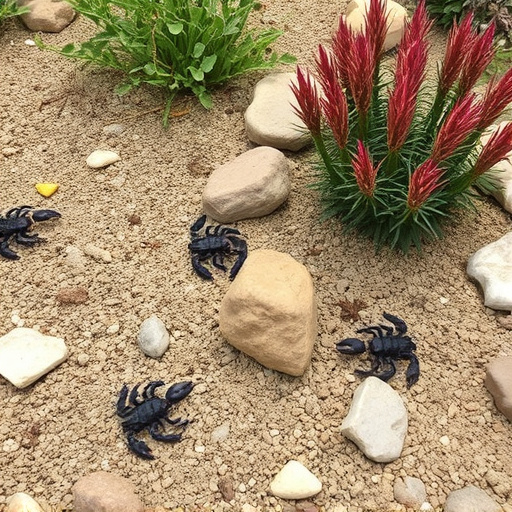
Scorpion control Tucson naturally begins with understanding that these arachnids are attracted to certain environments. By carefully considering landscape design, it is possible to create an uninviting setting that discourages scorpions from taking up residence near homes. The key lies in combining strategic planting and structural elements that limit access while providing natural deterrents.
For instance, opting for a landscape that incorporates plenty of open spaces and reducing dense vegetation can significantly hinder scorpion movement. Plants with harsh textures like thyme, lavender, and rosemary are known to repel scorpions due to their strong scents. This approach not only enhances the aesthetic appeal but also serves as an effective scorpion control measure. Additionally, maintaining a buffer zone around the perimeter of your property by clearing away debris, wood piles, and dense brush creates a physical barrier that discourages these creatures from approaching.
Another layer of defense involves using natural materials in landscaping that scorpions find less appealing. For example, gravel paths and walkways can make areas less inviting as scorpions tend to avoid open, exposed spaces. Similarly, incorporating reflective surfaces like stones or certain types of fencing may deter scorpions due to the light reflection, which they find disconcerting. Regular maintenance is crucial; keeping the landscape free from clutter and promptly addressing any potential hiding spots ensures a less hospitable environment for scorpions.
Natural Solutions: Plants and Practices for Scorpion Control in Tucson Homes

In the arid climate of Tucson, scorpion control naturally involves a strategic approach that leverages the region’s unique botanical resources and ecologically sound practices. Homeowners can significantly reduce scorpion infestations by cultivating a landscape that both deters these arachnids and attracts beneficial insects that prey on them. For instance, certain plants like lavender, sage, and marigolds are known to emit fragrances that scorpions find unpleasant, acting as natural repellents.
Beyond plant choices, proper landscaping techniques play a pivotal role in scorpion control Tucson naturally. Creating physical barriers using low-growing, dense vegetation around the perimeter of homes can restrict scorpion access points. Additionally, maintaining a buffer zone free of woodpiles, debris, and dark, secluded areas—common hiding spots for scorpions—can significantly deter them from seeking shelter in residential areas. Regularly trimming shrubs and trees not only enhances curb appeal but also opens up spaces, making it harder for scorpions to blend into their surroundings.
Implementing a diverse, balanced ecosystem within the landscape is another effective strategy. Planting native species that support pollinators and beneficial insects creates an environment where natural predators of scorpions thrive. For example, certain spider species and centipedes are known scorpion hunters. By fostering this biodiversity, homeowners not only reduce scorpion populations but also contribute to the overall health and resilience of their local ecosystem. Regular inspections and maintenance, coupled with these natural solutions for scorpion control Tucson, provide a comprehensive, sustainable approach to keeping homes free from unwelcome visitors.
By implementing a multifaceted approach to scorpion control Tucson naturally, residents can significantly reduce these creatures’ appeal to their homes. Understanding scorpion behavior is key, as knowledge enables effective landscape design to create an uninviting environment. The article highlights powerful natural solutions, such as strategic plant choices and ecological practices, that foster a scorpion-free haven. Key takeaways include limiting water sources, eliminating clutter, and selecting repelling plants like lavender and lemongrass. Practicing responsible landscaping not only protects homes but also contributes to a healthier ecosystem. With these strategies, Tucson residents can take control of their outdoor spaces, ensuring comfort and safety year-round.