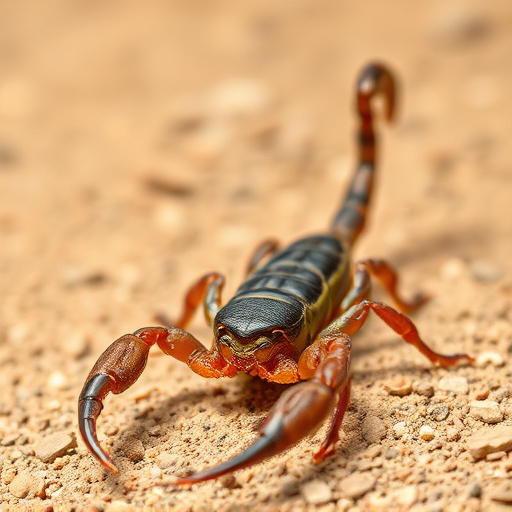
Marana, Arizona's scorpion ecosystem includes diverse species like the bark scorpion and desert hairless scorpion, thriving in arid conditions. Effective scaragon control Tucson naturally involves understanding seasonal behaviors—peaking in late summer during mating season—and life cycles. Key strategies include sealing entry points, lighting management, clutter-free spaces, regular inspections, natural repellents, and habitat preservation. Seasonal adjustments, from avoiding nocturnal species at night to managing diurnal species during the day, are crucial. Community collaboration and professional services offer comprehensive solutions for year-round protection.
Scorpons, with their formidable stings and elusive nature, pose unique challenges for residents of Marana, Arizona. Understanding the diverse species roaming our landscapes is crucial for effective scorpion control Tucson naturally. This article offers an in-depth overview of common scorpion varieties found in Marana, providing valuable insights for both locals and professionals. By demystifying these arachnids, we empower ourselves to implement sustainable strategies that ensure safety without sacrificing ecological balance. Armed with knowledge, we can navigate the intricate web of scorpion behavior, fostering a harmonious coexistence.
- Understanding Marana's Scorpion Ecosystem
- Common Scorpion Species in the Region Identified
- Natural Behavior and Habitat Preferences Explored
- Scorpion Control Tucson: Safe, Effective Methods
- Seasonal Variations in Scorpion Activity
- Prevention and Mitigation Strategies for Residents
Understanding Marana's Scorpion Ecosystem
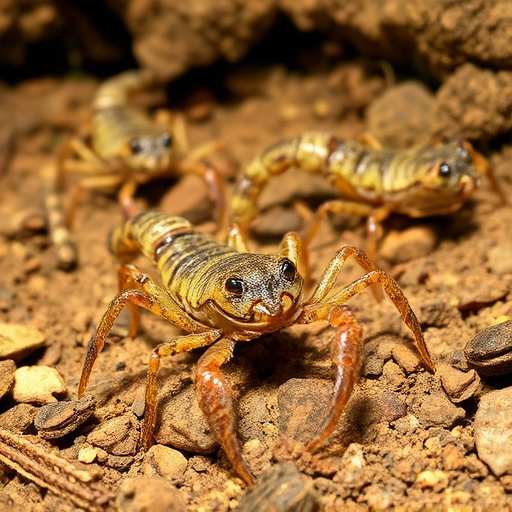
Marana, Arizona, is home to a diverse range of scorpion species, each playing its part in the intricate ecosystem of this region. Understanding this scorpion ecosystem is crucial for both residents and visitors seeking to coexist harmoniously with these arachnids. The most common species include the bark scorpion (Cremastochelis spp.), which is well-adapted to the arid conditions and can often be found under rocks or in crevices, and the desert hairless scorpion (Androctonus australis), known for its aggressive nature and preference for open habitats.
The balance of this ecosystem hinges on environmental factors such as temperature, humidity, and food availability. Marana's hot, dry climate provides an ideal environment for scorpions to thrive, with many species becoming active during the cooler evenings and nights. This natural activity pattern also influences human encounters, with a peak in incidents often observed during the late summer months when scorpions are at their most visible as they seek mates and new territories. Scorpion control in Tucson naturally involves recognizing this seasonal behavior and employing preventive measures such as sealing entry points, maintaining proper lighting, and keeping outdoor spaces clutter-free to reduce hiding spots.
Moreover, understanding the life cycle of these scorpions is key to effective scorpion control. Most species lay eggs during the warmer months, with hatchlings emerging shortly after. This knowledge prompts proactive strategies like regular professional inspections and treatments to address infestations early. By combining natural habitat understanding with practical control measures, residents can effectively manage scorpion populations while minimizing the risk of harm to both humans and these fascinating creatures.
Common Scorpion Species in the Region Identified
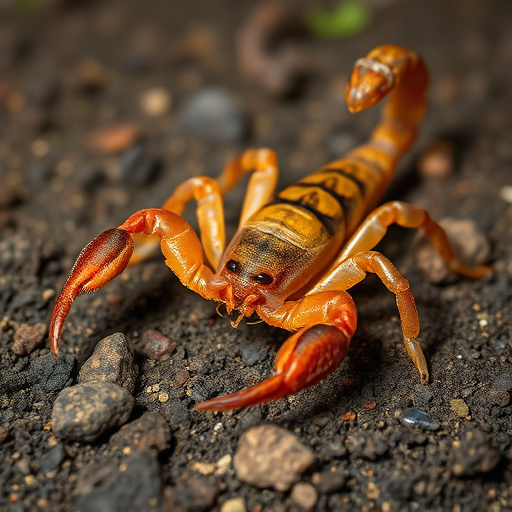
Marana, located in southern Arizona, is home to a diverse range of scorpion species, making it an intriguing area for arachnologists and locals alike. Among these, several common species have adapted to the region's unique environment, attracting attention due to their presence in residential areas and outdoor recreational spaces. Understanding these scorpions is crucial for both ecological awareness and effective scorpion control Tucson naturally.
The most prevalent species in Marana is the Cremnestus cucullatus, commonly known as the Fused-fang Scorpion. This arachnid is easily recognized by its distinctive fused fangs, or chelicerae, which are longer than those of many other scorpions. C. cucullatus prefers dry, rocky habitats and is often found under debris or in crevices, making it a common sight for residents. Another notable species is the Androctonus australis, the Sootywing Scorpion, known for its aggressive behavior and painful sting. These scorpions are characterized by their dark coloration, which provides camouflage in their arid surroundings.
Data from local pest control services reveals that while scorpion stings can be uncomfortable, serious medical reactions are rare. However, awareness of species-specific behaviors is essential for effective scorpion control Tucson naturally. For instance, some species, like the Mesobuthus oerstedii (Oedipod Scorpion), are more active during the day and can be deterred by proper lighting and sealing entry points. Conversely, nocturnal species like C. cucullatus require a different approach, focusing on eliminating hiding spots and using natural repellents like citrus oils. By understanding these species' habits and preferences, residents can implement tailored strategies for scorpion control that are both effective and environmentally friendly.
Natural Behavior and Habitat Preferences Explored

The scorpions native to Marana, Arizona, exhibit diverse behaviors and habitat preferences, reflecting their adaptation to this semi-arid environment. Many species are nocturnal, becoming active under the cover of darkness to hunt for food and avoid excessive daytime heat. They primarily rely on their exceptional night vision and sensitive setae (hairs) on their claws to detect vibrations and navigate their surroundings. During the day, scorpions often seek shelter in crevices, beneath rocks, or within burrows they've dug themselves, remaining dormant until evening falls.
One of the most common species in the area is the Desert Scorpion (Scorpescaurus cobar), known for its distinct black and brown coloration, which provides camouflage amidst the desert floor. This species prefers dry, sandy habitats and is particularly adept at surviving prolonged periods without water. In contrast, the Giant Desert Hairstreak (Hadrurus arizonensis) thrives in more rocky environments, often dwelling in cracks and crevices where it can remain hidden from predators. These contrasting habitat preferences illustrate the scorpions' remarkable ability to occupy diverse niches within the Marana ecosystem.
Understanding these natural behaviors is crucial for effective scorpion control Tucson naturally. For instance, disturbing their nocturnal resting places or removing potential shelter sites may encourage scorpions to seek alternative habitats, potentially leading to increased human-scorpion encounters. Therefore, a proactive approach involves creating physical barriers and maintaining a well-groomed landscape to minimize suitable habitats while respecting the natural behaviors that help keep scorpion populations in check. This balanced strategy ensures both human safety and the preservation of these fascinating arachnids in their native Marana environment.
Scorpion Control Tucson: Safe, Effective Methods
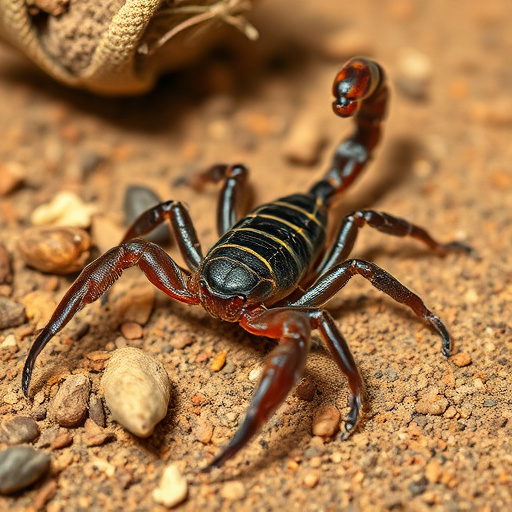
Marana, located in Arizona's vibrant Sonoran Desert, is home to a diverse array of scorpion species. Among these, the most common include the bark scorpion (Crotalus cerastes), the desert hairless scorpion (Androctonus australis), and the western striped-tail scorpion (Cusio longimanus). These scorpions are well-adapted to the region's arid conditions, making effective scorpion control Tucson a priority for both residents and professionals.
Scorpion control Tucson naturally focuses on methods that minimize environmental impact while ensuring safety and efficacy. One of the most effective strategies is habitat modification. Removing potential hiding spots like rocks, wood piles, and dense vegetation can significantly reduce scorpion populations. Regularly trimming grass and shrubbery keeps scorpions from finding secluded areas to nest. Additionally, sealing cracks and gaps in homes and structures prevents scorpions from entering indoor spaces.
Natural repellents also play a crucial role in scorpion control Tucson. Certain plants like lavender, lemongrass, and marigolds are known to repel scorpions due to their strong scents. Incorporating these plants around the perimeter of homes can act as a deterrent without resorting to chemical treatments. Moreover, maintaining cleanliness and promptly picking up fallen fruits or debris reduces food sources that attract scorpions.
For persistent scorpion infestations, professional intervention is recommended. Expert scorpion control services in Tucson employ advanced techniques such as targeted spraying with natural pesticides and heat treatment to eliminate scorpions from hard-to-reach areas. These professionals are equipped to handle potentially dangerous species while ensuring the safety of residents and pets. Regular inspections and maintenance plans can also prevent future infestations, providing long-lasting protection for Marana homes and properties.
Seasonal Variations in Scorpion Activity
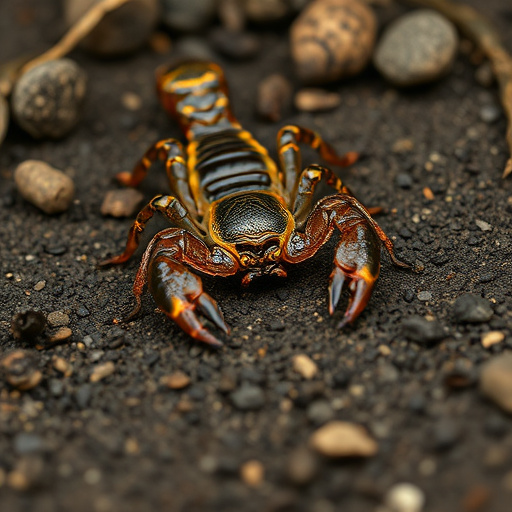
In Marana, seasonal variations significantly influence scorpion activity, with peaks and declines occurring throughout the year. During the warmer months, typically from March to October, scorpions are most active as they hunt for food and mate. This period witnesses an increase in sightings, particularly in late summer when young scorpions venture out from their burrows in search of territory. The monsoon season (June to September) brings relief from the arachnid population's peak, as the increased rainfall and cooler temperatures deter scorpion activity. However, this respite is temporary; scorpions quickly adapt to the changing conditions, and their populations rebound once the monsoons subside.
Winter months, ranging from November to February, typically see a decrease in scorpion activity. Many species enter a state of dormancy or reduce their foraging efforts due to cooler temperatures and limited food sources. This seasonal behavior necessitates tailored scorpion control strategies in Marana. While traditional pest control methods exist, Tucson naturally emphasizes sustainable and environmentally friendly solutions for scorpion management. Experts recommend year-round prevention measures, such as sealing entry points, maintaining proper lighting, and keeping debris and vegetation under control around homes and buildings. Implementing these practices not only helps mitigate scorpion infestations but also aligns with the region's commitment to natural pest control methods.
Prevention and Mitigation Strategies for Residents

In Marana, a diverse range of scorpion species has been documented, with some commonly encountered types including the Desert Scorpion (Cacotheres similis) and the Black-tailed Scorpion (Androctonus australis). While these scorpions are an integral part of the local ecosystem, their presence can be a source of concern for residents. Effective prevention and mitigation strategies are essential to ensure the safety and well-being of Marana's communities. One key approach is to adopt natural scorpion control methods specific to Tucson, such as identifying and eliminating potential hiding spots like cracks and crevices in homes and yards, as scorpions tend to seek shelter in these areas. Regular, thorough inspections can help detect and remove scorpions early, preventing them from establishing colonies.
Additionally, using natural repellents like citrus oils or peppermint extracts around entry points can deter scorpions without resorting to harsh chemicals. Landscaping practices play a significant role as well; keeping vegetation trimmed back from homes and removing potential water sources like stagnant pools can reduce scorpion attraction. Marana residents are encouraged to collaborate with local experts in scorpion control Tucson naturally to develop tailored strategies for their neighborhoods. For instance, community-led efforts to create scorpion-unfriendly zones through specific plant choices and landscaping techniques have shown promise in reducing scorpion populations.
Moreover, understanding the behavior and life cycles of these arachnids can empower residents to take proactive measures. During the cooler months, scorpions are more active indoors, so sealing entry points and maintaining a clean environment is crucial. Residents should also be mindful that scorpions are primarily nocturnal, making evening inspections particularly important. By combining natural methods with informed practices, Marana communities can effectively manage scorpion populations while preserving the region's unique biodiversity. Regular communication between residents, local authorities, and pest control experts ensures a coordinated approach to scorpion mitigation, fostering safer and more harmonious co-existence.
The comprehensive overview of Marana's scorpion ecosystem reveals a nuanced understanding of common species, their behaviors, and habitats. Key insights include recognizing seasonal variations in scorpion activity, with peak seasons guiding effective prevention and mitigation strategies for residents. By delving into natural habitat preferences, we can implement targeted and safe scorpion control Tucson methods that minimize environmental impact. The article underscores the importance of proactive measures, offering practical next steps such as sealing entry points, maintaining yard cleanliness, and employing natural repellents. Armed with this knowledge, Marana residents are empowered to protect their homes and communities from scorpions naturally, ensuring a safer and more comfortable living environment.