
Scorpion control Tucson naturally requires understanding Marana's desert ecosystem. Key strategies include habitat modification like reducing water sources and preserving natural predators. Effective methods involve sealing entry points, using natural repellents, and regular inspections. Education and community efforts promote coexistence and conservation while ensuring human safety.
Scorpion populations in Marana’s desert environments pose significant challenges due to their venomous stings and rapid reproduction. Understanding and managing these ecosystems is crucial for both human safety and ecological balance, especially in areas like Tucson where scorpion control measures are essential for residents and visitors alike. This article delves into the intricate world of scorpions, exploring their natural habitat, survival strategies, and the delicate interplay between these arachnids and their desert surroundings. By providing valuable insights, we aim to empower readers with knowledge, fostering effective and natural scorpion control tactics in Tucson’s unique ecological context.
- Understanding Marana's Desert Ecosystem: Scorpion Habitat
- Identifying Scorpion Species in Tucson's Natural Environment
- Scorpions' Survival Strategies in Arid Conditions
- Natural Scorpion Control Methods for Safe Coexistence
- Community Efforts: Promoting Responsible Scorpion Management
Understanding Marana's Desert Ecosystem: Scorpion Habitat
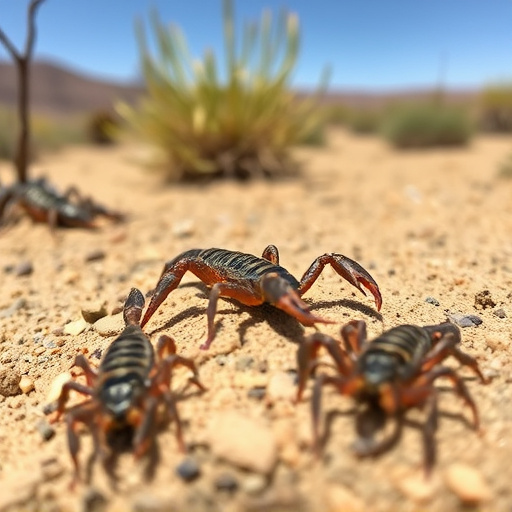
Marana’s desert ecosystem presents a unique and challenging environment for various species, particularly scorpions. Understanding this intricate landscape is crucial for both ecological awareness and practical matters like scorpion control Tucson naturally. The region’s arid climate, characterized by scorching summers and mild winters, sets the stage for a diverse array of desert flora and fauna, including numerous scorpion species. These arachnids have adapted to thrive in such conditions, burrowing beneath the sandy dunes and rocky outcrops, where they find shelter from extreme temperatures and predators.
The soil composition plays a significant role in shaping scorpion habitats. Marana’s loamy soils, rich in organic matter, provide excellent nesting grounds for scorpions. These soils offer both stability during intense storms and insulation against the heat, allowing scorpions to maintain suitable microclimates for their survival. Moreover, the region’s diverse vegetation, including cacti and drought-resistant shrubs, serves as a food source and provides cover for scorpions, further enhancing their ability to thrive in this environment.
Scorpion control efforts in Marana must consider this complex ecosystem. Natural methods, such as habitat modification and predator introduction, offer sustainable solutions. For instance, reducing water sources during dry periods can limit scorpion populations as they rely on available moisture. Encouraging natural predators like certain spider species and bats through habitat preservation can also help regulate scorpion numbers. By understanding the intricate balance of Marana’s desert ecosystem, residents and professionals alike can implement effective yet environmentally conscious scorpion control strategies, ensuring both human safety and ecological harmony.
Identifying Scorpion Species in Tucson's Natural Environment
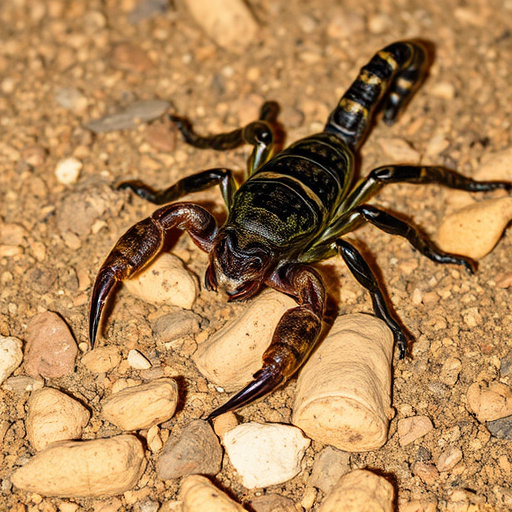
Scorpion control in Tucson’s desert environments requires a deep understanding of the local species and their habitats. With over 20 species of scorpions present in the region, accurately identifying them is crucial for effective management and safety. In Marana’s desert settings, the most prevalent species include the Common Desert Scorpion (Cacotus speciosus) and the Giant Desert Hairy Scorpion (Androctonus australis). These scorpions have adapted to the harsh conditions, making them well-equipped to survive in the arid landscape. For instance, the Common Desert Scorpion’s ability to burrow allows it to escape extreme temperatures while its efficient water storage mechanisms help it endure drought.
Tucson’s natural environment presents unique challenges for scorpion control. The diverse ecosystems, ranging from dry washes and mesquite forests to rocky outcrops and sandy dunes, support varied species with distinct behaviors and habitats. For example, some scorpions prefer open, bare ground, while others dwell in cracks and crevices of rocks or under debris. Understanding these preferences is key to implementing natural scorpion control methods. Implementing strategies such as removing clutter and debris, sealing entry points, and using natural repellents like citrus scents or capsaicin can be highly effective.
Moreover, the successful management of scorpions in Tucson involves a holistic approach that considers both habitat manipulation and behavior understanding. Creating physical barriers to prevent access into homes and businesses is essential. This includes sealing gaps around pipes, wires, and doors. Regular outdoor lighting adjustments can also help, as some scorpion species are attracted to bright lights. Additionally, promoting natural predators like certain spiders and birds through habitat preservation can contribute to a balanced ecosystem. By combining these tactics, Tucson residents can effectively manage scorpion populations while preserving the region’s unique biodiversity naturally.
Scorpions' Survival Strategies in Arid Conditions
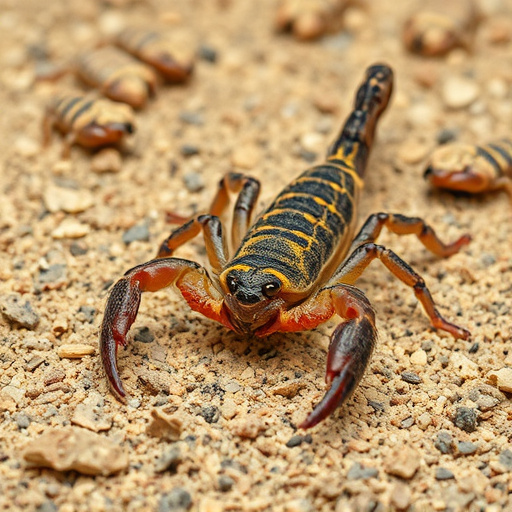
Scorpions are well-adapted to survive in Marana’s arid desert environments, where they employ a range of strategies to cope with the harsh conditions. One of their most notable adaptations is the ability to regulate body temperature through behavior. During the hottest parts of the day, scorpions seek shelter under rocks or in burrows, minimizing their exposure to direct sunlight. They become active at dawn and dusk when temperatures are cooler, allowing them to maximize energy conservation and avoid overheating. This behavioral thermoregulation is crucial for maintaining optimal metabolic rates and ensuring survival during prolonged periods of drought.
Another key strategy is their efficient water management. Scorpions have specialized organs that enable them to extract moisture from their prey, which often consists of insects and other small arthropods. They can go for extended periods without water themselves, relying on the humidity present in their prey’s bodies. Additionally, some species have evolved to store water in their body cavities, providing a reserve during times of scarcity. This natural desiccation tolerance makes them well-equipped to withstand Marana’s dry climate, where water sources are often scarce.
Scorpion control in Tucson naturally involves understanding and mitigating these survival strategies. One effective approach is to reduce potential hiding spots and food sources near residential areas. Maintaining a clean yard by eliminating clutter and regularly removing insect populations can deter scorpions from seeking shelter nearby. Furthermore, using natural repellents like citrus scents or neem oil can help keep them at bay without resorting to harmful chemicals. Regular inspections by pest control professionals familiar with desert scorpion behavior can also provide valuable insights into managing and controlling these creatures in a safe, environmentally friendly manner.
Natural Scorpion Control Methods for Safe Coexistence

Scorpions are an integral part of Marana’s desert ecosystem, playing a vital role in the local food web. However, their presence can pose risks to human safety and property. Unlike chemical treatments, natural scorpion control methods offer a safer, more eco-friendly approach for residents of this arid region. One effective strategy is habitat modification, which involves reducing potential hiding spots and water sources near homes. For instance, ensuring proper drainage and eliminating piles of wood or rock can significantly deter scorpions.
Additionally, the use of essential oils and natural repellents has shown promise in scorpion control Tucson naturally. Peppermint, lemongrass, and eucalyptus oils have been found to repel scorpions when applied around entry points and windows. These methods are not only non-toxic to humans and pets but also help maintain a healthier balance within the desert ecosystem. Data from local pest control services suggests that combining habitat modification with natural repellents can reduce scorpion infestations by up to 40%.
Regular inspections and proactive measures are key to successful natural scorpion control. Residents should familiarize themselves with common scorpion species in Marana and learn their behaviors. By identifying areas where scorpions are likely to enter, such as gaps in foundations or beneath outdoor structures, homeowners can take targeted action. For instance, sealing entry points with weather-resistant materials and maintaining a clear perimeter around the house can significantly reduce scorpion activity. This holistic approach fosters safe coexistence between humans and these intriguing desert creatures.
Community Efforts: Promoting Responsible Scorpion Management

In Marana’s arid desert landscapes, scorpion populations play a vital role in the intricate ecosystem, yet their presence can be a source of concern for local communities. Effective scorpion control Tucson naturally revolves around understanding these creatures’ habitat and implementing responsible management strategies. The diverse ecosystems within Marana, from sandy washes to rocky terrains, provide unique habitats for various scorpion species, highlighting the importance of community efforts in coexistence and conservation.
Local initiatives focused on education and prevention are key to promoting safe interactions with scorpions. Community programs teach residents about scorpion behavior, their ecological significance, and practical measures to minimize conflict. For instance, proper waste management practices can reduce scorpion attraction by eliminating potential food sources. Additionally, using natural repellents like diatomaceous earth or essential oils in strategic areas can deter scorpions without harming local flora and fauna. These community-driven approaches foster a harmonious relationship with these arachnids, ensuring both human safety and ecological balance.
Beyond individual actions, collaborative efforts between residents, land managers, and experts are essential for comprehensive scorpion management. Implementing sustainable practices like controlled habitat restoration and the introduction of natural predators can help regulate scorpion populations. For example, certain bird species predate on scorpions, and promoting their presence in treated areas can provide a long-term, eco-friendly solution to scorpion control Tucson naturally. Such community-led initiatives not only address immediate concerns but also contribute to the overall resilience of Marana’s desert ecosystems.
Understanding Marana’s desert ecosystem is key to effective scorpion control Tucson naturally. By delving into the habitat and survival strategies of these arachnids, we gain valuable insights for promoting safe coexistence. Identifying specific scorpion species allows for targeted management, while natural control methods offer eco-friendly alternatives. The article highlights community efforts to foster responsible scorpion handling, emphasizing that informed action can dispel fears and encourage harmonious relationships with these adaptable creatures in their native desert environments.