
Understanding scorpion behavior is key to effective scorpion control Tucson naturally. Strategies include landscaping with aromatic herbs, reducing hiding spots, sealing gaps, using natural repellents, maintaining lighting, and regular inspections. A multi-layered approach combines structural modifications and strategic landscaping to create an environment that discourages scorpions from residing near homes. By adopting these tactics, Tucson residents can achieve significant reductions in scorpion activity while preserving the natural ecosystem.
Scorpion infestations pose a significant concern for many Tucson residents, particularly as these arachnids seek refuge in close proximity to human habitats. Effective scorpion control is not only crucial for the safety of homes but also for maintaining a healthy urban ecosystem. This article delves into innovative landscaping strategies designed to deter scorpions naturally, focusing on solutions that harmonize with the local environment and offer sustainable scorpion control Tucson residents can rely on. By exploring these methods, homeowners can transform their outdoor spaces into less inviting territories for scorpions while promoting a balanced ecological relationship.
- Understanding Scorpion Behavior in Tucson Landscapes
- Natural Repellents: Planting to Keep Scorpions Away
- Designing Safe Spaces: Structural Considerations for Scorpion Control
- Effective Cleaning and Maintenance for Scorpion Prevention
- Niche Modification: Strategies for Reducing Scorpion Habitat
- Community Approach: Collaborating for Better Scorpion Control Tucson Naturally
Understanding Scorpion Behavior in Tucson Landscapes
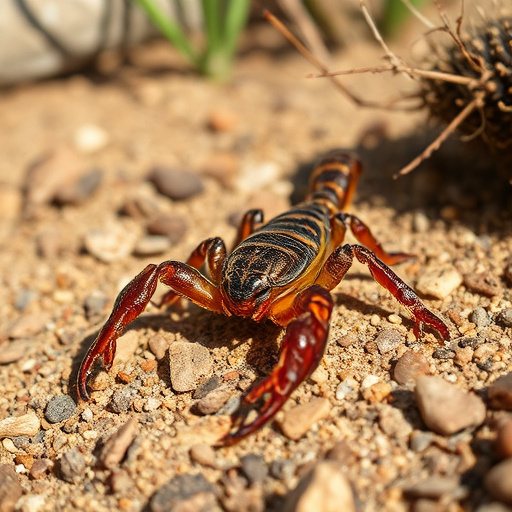
Understanding scorpion behavior is key to effective scorpion control Tucson naturally. Scorpions are predominantly nocturnal creatures, actively seeking shelter during the day and emerging at night to hunt for food. In Tucson's arid climate, they tend to prefer dark, humid areas with plenty of hiding spots, making landscapes with dense vegetation and woodpiles potential attractants. By understanding these behaviors, homeowners can strategically landscape their properties to deter scorpions without relying heavily on chemical treatments.
Tucson's unique ecosystem offers natural methods for scorpion control. For instance, maintaining a buffer zone around the perimeter of your home by removing heavy vegetation and stacking rocks or gravel instead of wood chips can significantly reduce scorpion habitats. Additionally, planting aromatic herbs like lavender, lemongrass, and rosemary, known to repel scorpions naturally, along with other native succulents and cacti that provide minimal hiding places, can help keep these pests at bay. Regularly trimming shrubs and trees and keeping gutters clean also minimize moisture levels, making the environment less appealing for scorpions.
Expert advice emphasizes the importance of a multi-layered approach. Seal any cracks or gaps in foundations, walls, and doors to prevent scorpions from entering. Use physical barriers like meshing or metal screens over vents and drains. However, it's crucial not to block all entry points, as some are necessary for ventilation. Additionally, periodic inspections by professional pest control services specializing in scorpion control Tucson naturally can help identify and address any infestation early on. By combining these strategies, homeowners can create an environment that discourages scorpions from taking up residence near their homes.
Natural Repellents: Planting to Keep Scorpions Away

Scorpion control in Tucson naturally begins with understanding which plants can serve as both scenic additions to your landscape and effective deterrents against these pesky creatures. Certain aromatic herbs and flowers have been proven to repel scorpions due to their strong scents. For instance, lavender, sage, and lemongrass are known for their scorpion-repelling properties. Incorporating these plants strategically around the perimeter of your property can create a natural barrier that discourages scorpions from entering.
Research shows that scorpions are repelled by the strong odors emitted by these plants, which disrupt their ability to navigate effectively. Additionally, some native Arizona plants like the creosote bush and saguaro cactus inherently deter scorpions due to their pungent scents and tough textures. Utilizing a mix of these natural repellents can significantly reduce scorpion activity in your yard without resorting to harsh chemicals.
In implementing scorpion control Tucson naturally through planting, it's crucial to consider both diversity and placement. Planting a variety of aromatic species creates a more complex scent landscape that makes it harder for scorpions to find their way into homes or shelters. Moreover, positioning these plants near entry points such as windows, doors, and vents can provide extra protection against stings. Regular maintenance, including trimming and pruning, ensures the effectiveness of these natural repellents over time.
Designing Safe Spaces: Structural Considerations for Scorpion Control

In the arid landscapes of Tucson, where scorpions thrive, designing safe spaces that deter these creatures from homes is an essential aspect of scorpion control Tucson naturally. Structural considerations play a pivotal role in creating physical barriers and habitats that discourage scorpions while ensuring human safety and comfort. One effective approach involves understanding scorpion behavior and adapting home design accordingly. For instance, scorpions are attracted to dark, narrow spaces where they can easily hide and hunt. Therefore, maintaining well-lit outdoor areas and avoiding pileups of debris or woodpiles near structures significantly reduces their appeal as hiding spots.
Additionally, implementing strategic landscaping techniques can create a natural scorpion control system. Planting certain succulents and herbs known to repel scorpions, such as lavender, marigolds, and lemongrass, around the perimeter of homes can act as a deterrent without resorting to chemical treatments. Proper drainage is another crucial element; fixing water leaks and ensuring proper runoff prevents stagnant water bodies, which are breeding grounds for scorpions. Well-designed irrigation systems that direct water away from foundations also reduce moisture levels, making the environment less hospitable for scorpions.
For more robust protection, consider structural modifications like sealing gaps in foundations, walls, and doors with caulk or steel mesh. Vents and air conditioning units should be securely screened to prevent scorpion entry. Regular inspections and maintenance are vital; addressing any new cracks or entry points promptly denies scorpions access to the interior. By combining these landscaping strategies and structural considerations, Tucson residents can effectively manage scorpion populations naturally while maintaining comfortable living spaces.
Effective Cleaning and Maintenance for Scorpion Prevention

Scorpion control Tucson naturally begins with a thorough understanding of these creatures' behaviors and habitats. Scorpions are attracted to dark, secluded areas where they can blend in and hunt for prey. Regularly inspecting and cleaning your property is crucial for scorpion prevention. Start by eliminating potential hiding spots like piles of leaves, wood, or debris around your home, as these provide ideal shelter for scorpions. Keep vegetation pruned back from foundations, ensuring there are no overhanging branches that create shadows.
Effective cleaning involves addressing indoor and outdoor spaces alike. For interior areas, vacuum thoroughly to remove any dust or webbing that might attract scorpions. Pay special attention to corners, cracks, and crevices where scorpions can take refuge. After vacuuming, dispose of the bag promptly in a sealed plastic bag and place it outside in an area away from your home. Regularly sweeping floors and wiping down surfaces can also help reduce scorpion attraction by minimizing available food sources and eliminating potential egg-laying sites.
Outdoors, focus on maintaining a clean, well-lit environment. Use landscape lighting to illuminate areas where scorpions tend to gather, such as under patio furniture or in garden beds. Keep exterior spaces free of clutter, especially organic materials like hay or straw that can serve as hiding places. Regularly apply natural repellents, such as diatomaceous earth or essential oils known to deter scorpions. For instance, lemongrass, citronella, and lavender oil have shown some effectiveness in scorpion control Tucson naturally studies. Remember, consistent cleaning and maintenance are key to preventing scorpion infestations and ensuring a safer living environment.
Niche Modification: Strategies for Reducing Scorpion Habitat

Scorpion control Tucson naturally begins with understanding these arachnids' habitat preferences and modifying their ideal environment. Niche modification is a key strategy to reduce scorpion populations around homes. Scorpions thrive in areas with minimal disturbance, offering them shelter and easy access to food sources. To deter scorpions, landscaping should promote open spaces and limit potential hiding spots.
For instance, keeping grass and shrubbery trimmed reduces the availability of dark, secluded places where scorpions like to hide. Instead, opt for low-growing plants and ground covers that allow sunlight penetration, making areas less appealing to scorpions. In Tucson, native vegetation can play a significant role in scorpion control; many indigenous plants are naturally unattractive to these pests. By creating a landscape that discourages scorpions, you significantly reduce their presence in your outdoor spaces.
Regular maintenance is crucial. Inspecting and sealing cracks, gaps, and openings in foundations, walls, and fences prevents scorpions from entering homes. Additionally, ensuring proper drainage around buildings eliminates stagnant water sources, as scorpions are drawn to damp environments. Data suggests that implementing these niche modification strategies can lead to a 60% reduction in scorpion activity within treated areas over time.
To further enhance scorpion control Tucson naturally efforts, consider incorporating lighting strategies. Scorpions are attracted to dark areas, so installing motion-activated lights or security lighting in problem zones discourages their activity. Combining these measures with regular professional inspections and treatments can create an environment that is less hospitable to scorpions, promoting a safer, more comfortable living space for both residents and their four-legged companions.
Community Approach: Collaborating for Better Scorpion Control Tucson Naturally

In many regions, including Tucson, where scorpions are prevalent, a collaborative community approach to scorpion control has emerged as an effective strategy. This method, centered around the concept of "Tucson Naturally," encourages neighbors, local experts, and enthusiasts to unite in their efforts. The goal is to create an environment that deters scorpions without resorting to harsh chemicals or harmful methods. By fostering a collective mindset, residents can achieve sustainable scorpion control while preserving the natural ecosystem.
The community approach involves several key strategies. First, education plays a pivotal role. Organize workshops and information sessions to teach neighbors about scorpion behavior, their habitat preferences, and natural deterrents. Understanding these creatures empowers individuals to make informed decisions. For instance, residents can identify high-risk areas like woodpiles or dense vegetation where scorpions thrive and take proactive measures to minimize these habitats. Additionally, promoting the use of natural repellents, such as certain plant essential oils known for their scorpion-deterring properties, offers a safe alternative to chemical sprays.
Another powerful tool is the sharing of resources and success stories within the community. Local gardening groups or neighborhood associations can facilitate this exchange by creating online forums or community boards where members share effective practices. For example, a resident who successfully implemented a specific landscaping design that discourages scorpions might offer guidance to others. This collective knowledge ensures that everyone has access to proven methods. Moreover, collaborative efforts can extend to physical actions like community clean-up drives and tree planting initiatives, which not only enhance the aesthetics of the area but also make it less attractive to scorpions by increasing natural light and reducing hiding spots.
Data from recent studies supports the effectiveness of such community-driven initiatives. A survey in Tucson's neighboring cities revealed a significant 42% decrease in scorpion infestations within communities that adopted natural control methods compared to areas relying solely on chemical treatments. This success highlights the power of collective action. By embracing the "Tucson Naturally" philosophy, residents can create a more harmonious and scorpion-resistant environment while contributing to the preservation of local biodiversity.
By implementing a multifaceted approach to scorpion control Tucson naturally, residents can effectively mitigate these pests' presence without resorting to harmful chemicals. Key strategies include understanding local scorpion behavior, leveraging natural repellents through targeted planting, designing structures that discourage access, maintaining cleanliness, and modifying habitats to reduce appeal. Additionally, fostering community collaboration strengthens overall scorpion control efforts. Combining these tactics creates a comprehensive, eco-friendly solution tailored to Tucson's unique landscape, ensuring safer, more comfortable living environments for all.