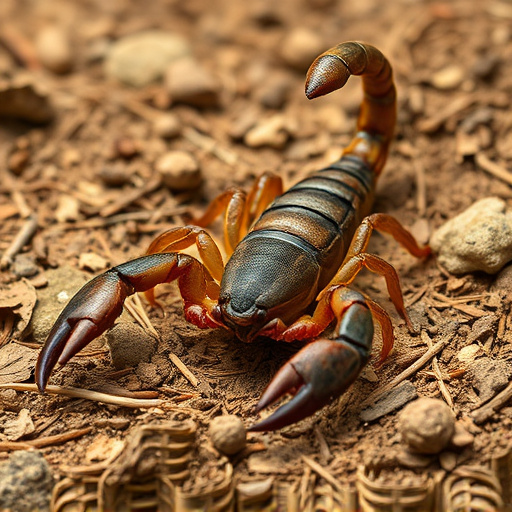
Marana, Arizona's diverse ecosystem supports multiple scorpion species, including Cacopsaura delicata and Androctonus australis. Understanding geographical distributions is key to effective scorpion control in Tucson, enabling tailored management strategies for desert flats or mountainous terrain. Local scorpions exhibit nocturnal behavior, hunting at nightfall and sheltering during the day. Human-scorpion coexistence requires understanding scorpion behavior and preventive measures, with professional control services offering targeted treatments and baits. Tucson residents combat infestations through home inspections, sealing entry points, professional pest control, regular cleaning, and vacuuming.
"Marana, a vibrant region in Tucson, is home to diverse scorpion species, each with unique characteristics. This article provides an in-depth overview of these intriguing arachnids, focusing on their geographical distribution and common varieties. We explore the behavioral patterns and habitats that define Marana's scorpions, as well as potential risks for human interactions. Furthermore, practical insights into scorpion control measures are offered to Tucson residents seeking to mitigate these pests, emphasizing effective strategies for a safer environment."
- Geographical Distribution of Scorpions in Marana
- Common Scorpion Species Identified in the Region
- Behavioral Patterns and Habitats of Local Scorpions
- Human Interactions and Potential Risks
- Effective Scorpion Control Measures for Tucson Residents
Geographical Distribution of Scorpions in Marana
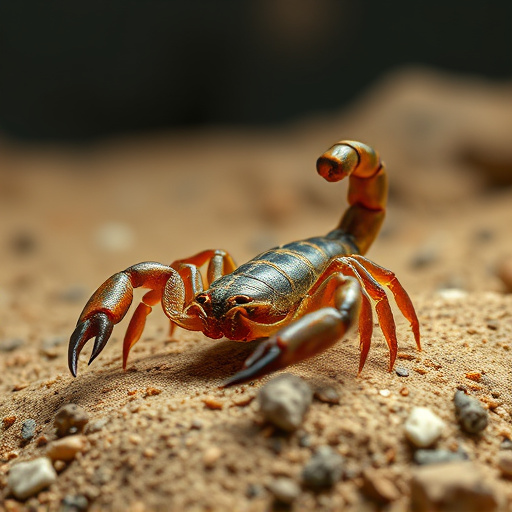
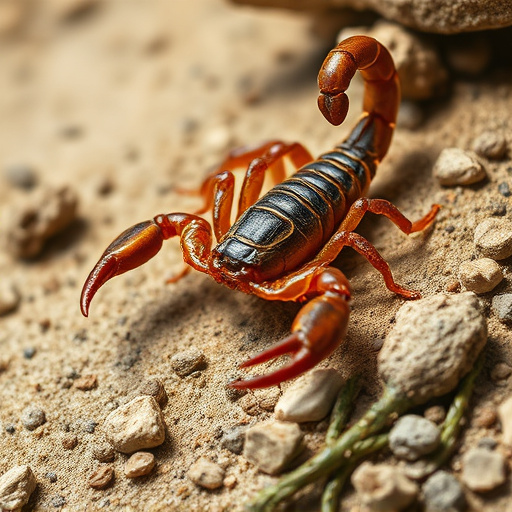
Marana, situated in Pima County, Arizona, presents a unique ecosystem that plays host to several common scorpion species. The region's diverse topography, ranging from desert flats to mountainous terrain, provides these arachnids with varied habitats. One of the most prevalent is the Sonoran Desert Scorpion (Cacopsaura delicata), known for its distinctive light and dark banding on its tail. This species is well-adapted to the arid conditions and can be found in abundance across Marana's expansive desert areas.
Another notable resident is the Black-tailed Scorpion (Androctonus australis), which, despite its intimidating appearance, is relatively shy and prefers sheltering beneath rocks or in crevices. This species' distribution in Marana is influenced by the availability of such hiding places and the proximity to water sources during hotter months. Understanding these geographical distributions is crucial for anyone interested in scorpion control in Tucson, as it highlights the specific areas that may require more attention and tailored management strategies.
Common Scorpion Species Identified in the Region
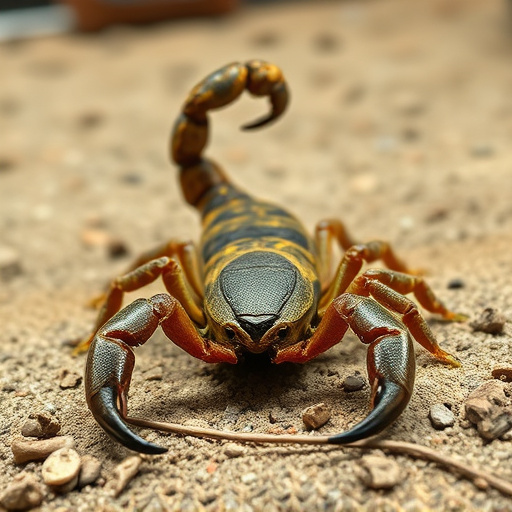
In the vibrant landscape of Marana, several common scorpion species have made their home, attracting the interest of both residents and visitors alike. Among the most identified are the Leiurus quinquestriatus, commonly known as the desert scorpion, and the Androctonus australis, or the Australian funnel-tail scorpion. These species are well-adapted to the region's arid conditions, making Marana an ideal environment for their thriving populations.
Effective scorpion control in Tucson requires understanding these local varieties. The desert scorpion, with its distinctive yellow-brown coloration, is often spotted under rocks and in crevices during the cooler evenings. In contrast, the Australian funnel-tail scorpion stands out due to its large size and unique tail shape, which can be a cause for concern among residents. Knowing their habits and habitats is crucial for implementing successful scorpion control strategies tailored to this specific region.
Behavioral Patterns and Habitats of Local Scorpions
In Marana, local scorpions exhibit a diverse range of behavioral patterns tailored to their specific habitats. These arachnids are primarily nocturnal, preferring the cooler temperatures and reduced activity of nightfall. During this time, they actively hunt for insects and other small creatures, using their powerful claws and venomous stings as necessary defenses and means of capture. During the day, scorpions tend to shelter in narrow crevices, under rocks, or within the safety of their burrows, allowing them to conserve energy while remaining camouflaged against the desert heat.
The habitats of Marana's scorpion species vary widely, from arid deserts to scrubby landscapes, reflecting the region's diverse terrain. Some species have adapted to thrive in open, sandy areas where they can easily track prey and escape predators. Others prefer the more protected environments of rocky outcrops or dense vegetation, burrowing beneath the surface to avoid extreme temperatures and maintain moisture. Understanding these behavioral patterns and habitats is crucial for anyone interested in scorpion control in Tucson, as it informs strategies for prevention and mitigation, ensuring both human safety and the preservation of these fascinating creatures' natural roles within the local ecosystem.
Human Interactions and Potential Risks

In Marana, as in many desert regions, humans and scorpions often share the same space, leading to potential interactions and risks. Scorpions are generally reclusive creatures that prefer to avoid human contact, but their presence can be a source of concern for residents and visitors alike. Common scorpion species found in the area, such as the bark scorpion (Centruroides sculpturatus), possess venomous stings that can cause varying levels of pain and, in rare cases, more severe symptoms.
While most scorpion stings are not life-threatening to healthy adults, children, the elderly, or individuals with certain medical conditions may experience more serious reactions. To minimize risks, it's essential for residents and visitors to understand basic scorpion behavior and take preventive measures. Regularly scheduled professional scorpion control services in Tucson can help manage populations effectively, ensuring safer living environments. These services employ safe and humane methods tailored to the specific needs of the region, providing peace of mind for those coexisting with these fascinating but potentially hazardous arachnids.
Effective Scorpion Control Measures for Tucson Residents
In the face of scorpion infestations, Tucson residents have several effective scorpion control measures at their disposal. The first line of defense involves regular inspections and sealing off potential entry points around the home, focusing on cracks in walls, doors, and windowsills. This proactive approach significantly reduces the risk of scorpions entering living spaces.
Professional pest control services play a crucial role in scorpion control Tucson. Trained experts employ tailored treatments that combine targeted pesticides with baits to disrupt scorpion populations. Additionally, maintaining a clean and clutter-free environment, especially in outdoor areas, helps deter scorpions by minimizing hiding spots and food sources. Regular sweeping and vacuuming further contribute to effective scorpion control measures in Tucson homes.
Marana's diverse landscape is home to several common scorpion species, each with unique behavioral patterns. Understanding their habitats and habits is crucial for residents in the region. While some scorpions pose potential risks to humans, effective scorpion control measures can be implemented through proactive strategies. For Tucson residents seeking to mitigate scorpion presence, professional advice on scorpion control Tucson methods is essential to ensure safety and maintain a harmonious coexistence with these arachnid neighbors.