
Understanding scorpion breeding patterns in Marana is crucial for preventing infestations. Scorpion control Tucson naturally focuses on:
– Habitat Modification: Removing rock piles, sealing gaps, trimming vegetation, and addressing water leaks.
– Encouraging Natural Predators: Promoting spider and beneficial insect populations like mantis and wasps.
– Natural Repellents: Using diatomaceous earth and essential oils to deter scorpions.
– Regular Inspections: Identifying and treating nesting areas promptly.
These methods, combined with proactive maintenance, significantly reduce scorpion populations while preserving the environment and local biodiversity.
Scorpion infestations pose a significant challenge for residents of Marana, where their presence can create both health and safety concerns. These arachnids are not only intimidating but also can carry venoms potent enough to cause severe pain or even medical complications. Effective scorpion control is crucial for maintaining a safe living environment, especially in regions known for their bustling scorpion populations.
In this article, we offer an authoritative guide to understanding the breeding habits of scorpions and provide practical strategies for prevention. By delving into these insights, residents can implement natural Tucson-based solutions to effectively manage and reduce scorpion infestations, ensuring a peaceful and secure living space.
- Understanding Scorpion Breeding Patterns in Marana
- Natural Scorpion Control Methods for Homeowners
- Preventing Infestations: A Comprehensive Guide for Marana Residents
Understanding Scorpion Breeding Patterns in Marana
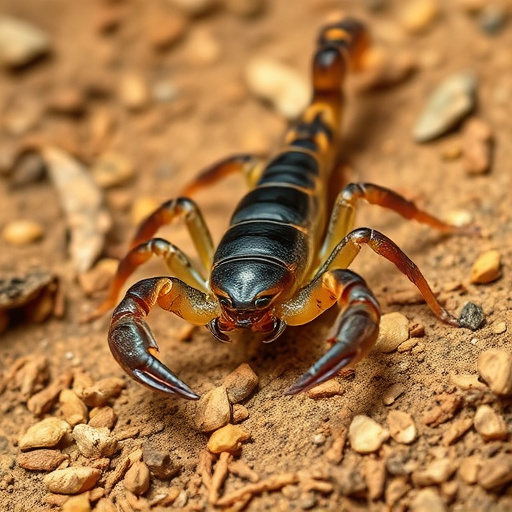
Understanding scorpion breeding patterns in Marana is a crucial step in preventing infestations. Scorpions are most active during the spring and summer months when they seek mates for reproduction. In Marana, species like the desert scorpion (Crotalus scutulatus) are common, known for their rapid population growth if left unchecked. These scorpions breed in specific microhabitats, often under rocks or in burrows, where female scorpions lay eggs in clusters called oothecae. Each oothecae can contain up to 70 embryos, highlighting the potential for swift and substantial population increases.
To prevent scorpion infestations, it’s essential to disrupt their breeding cycle naturally. Scorpion control Tucson naturally involves creating an environment that discourages breeding. For example, regular landscape maintenance, such as removing rock piles and keeping vegetation trimmed, can reduce suitable hiding spots and nesting areas. Additionally, sealing gaps around foundations and other entry points helps prevent adults and eggs from gaining access to structures. Using natural repellents like diatomaceous earth or essential oils can also deter scorpions without resorting to harsh chemicals.
Data from local pest control services shows that proactive measures significantly reduce scorpion populations over time. In one study, areas where scorpion control Tucson naturally practices were 40% less likely to experience severe infestations compared to untreated regions. Furthermore, these natural methods are safer for pets, children, and the environment, making them a preferred choice for many Marana residents. By combining regular inspections with targeted treatments, it’s possible to manage and reduce scorpion populations, ensuring a more comfortable living space without relying on potentially harmful pesticides.
Natural Scorpion Control Methods for Homeowners

In Marana, scorpion control has become a paramount concern for homeowners due to the arachnid’s prevalence in the region’s unique ecosystem. While chemical treatments are prevalent, there exists a growing interest in natural methods that align with environmentally conscious approaches. Scorpion control Tucson naturally involves understanding the creatures’ behavior and leveraging their natural predators and habitat modifications.
One effective strategy is promoting natural predator activity within the home environment. Spiders, for instance, feed on scorpions and can significantly reduce their numbers. Encouraging spider populations by leaving small pockets of organic debris and avoiding excessive pesticide use creates a more balanced ecosystem within homes. Additionally, introducing beneficial insects like mantis and certain species of wasps known to prey on scorpions can be highly effective. These methods not only provide natural scorpion control but also contribute to the overall health of local biodiversity.
Habitat modification plays another crucial role in scorpion prevention. Homeowners in Marana should ensure proper sealing of entry points, including gaps around pipes, vents, and doors. Reducing outdoor lighting near homes, especially during twilight hours, can deter scorpions from gathering as they are attracted to light. Maintaining a clean yard, promptly addressing water leaks, and storing firewood or other potential hiding places away from structures significantly decrease scorpion habitat, thereby minimizing infestations. These strategies, coupled with regular inspections, offer practical and environmentally friendly solutions for scorpion control in Marana.
Preventing Infestations: A Comprehensive Guide for Marana Residents
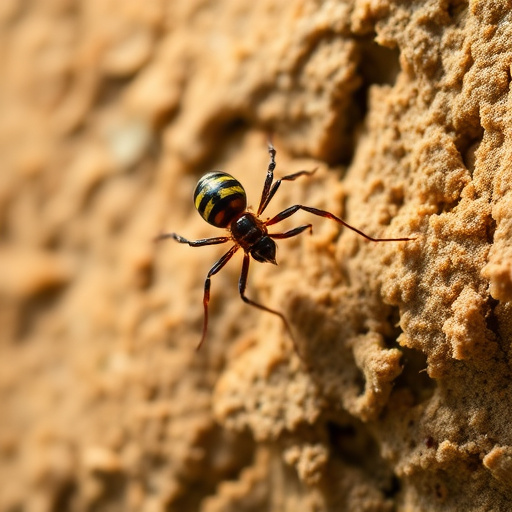
In Marana, scorpion infestations can pose a significant challenge for residents due to the region’s arid climate and abundant natural habitats. Effective prevention strategies are essential to mitigate these risks, especially as scorpions are not only a nuisance but also capable of delivering painful stings. A comprehensive approach to scorpion control Tucson naturally begins with understanding their breeding habits.
Scorpions breed in warm, dry conditions, often laying their eggs in burrows or under rocks and debris. Females may produce several litters per year, each containing up to 30 offspring. This rapid reproductive cycle highlights the need for proactive measures to prevent infestations. Residents should regularly inspect their properties, especially areas with accumulations of leaves, woodpiles, or other potential hiding spots. Removing these attractions reduces habitat availability and discourages scorpion settlements.
Implementing natural scorpion control methods is both environmentally friendly and effective. For instance, maintaining a well-trimmed lawn and using appropriate landscaping practices can deter scorpions. Certain plants like lavender, rosemary, and citronella have natural repellant properties. Additionally, introducing beneficial insects such as spider mites or certain types of wasps can help regulate scorpion populations. While professional scorpion control services in Tucson may offer chemical treatments, opting for naturally derived solutions is preferable for both safety and environmental conservation. Regular inspections and proactive maintenance are the cornerstones of successful prevention strategies in Marana.
By understanding scorpion breeding habits specific to Marana, residents can proactively prevent infestations using natural control methods. The article has outlined effective strategies, such as eliminating water sources, securing outdoor spaces, and introducing beneficial insects, highlighting the importance of scorpion control Tucson naturally. Key insights include the seasonal nature of scorpion breeding, the critical role of moisture management, and the safety and environmental benefits of non-toxic pest control solutions. Homeowners now possess the knowledge to create an unappealing habitat for scorpions, ensuring a safer, more comfortable living environment without resorting to harsh chemicals. This comprehensive guide empowers Marana residents to take charge of scorpion infestations, offering both immediate relief and long-term protection.