
Scorpion control Tucson naturally requires a multifaceted approach leveraging Marana's desert ecosystem knowledge. Key strategies include habitat maintenance, beneficial insect encouragement, understanding scorpion behaviors, and community education. Natural methods like oil traps and landscaping reduce scorpion populations while preserving biodiversity. Effective prevention focuses on sealing entry points, housekeeping, and prompt indoor removal. This balanced approach prioritizes safety, ecological preservation, and peaceful coexistence with desert scorpions.
Scorpion populations in Marana's desert environments pose significant challenges for local residents and visitors alike. These arachnids are not just a nuisance but can also pose genuine health risks, particularly from their venomous stings. Effective scorpion control Tucson naturally requires a deep understanding of these creatures' habitat and survival strategies. This article delves into the intricate dynamics of scorpion habitats in Marana's desert, exploring factors that influence their behavior and abundance. By providing evidence-based insights, we aim to empower residents with knowledge to coexist harmoniously with these fascinating yet potentially dangerous creatures, offering practical solutions for scorpion control that respect the delicate balance of our region's natural environment.
- Understanding Marana's Desert Ecosystem: The Scorpion's Home
- Scorpion Species in Tucson: Identification and Behavior Patterns
- Natural Scorpion Control Methods: A Safe, Effective Approach
- Survival Strategies: How Scorpions Adapt to Arid Conditions
- Human-Scorpion Interaction: Coexistence and Safety Tips
Understanding Marana's Desert Ecosystem: The Scorpion's Home
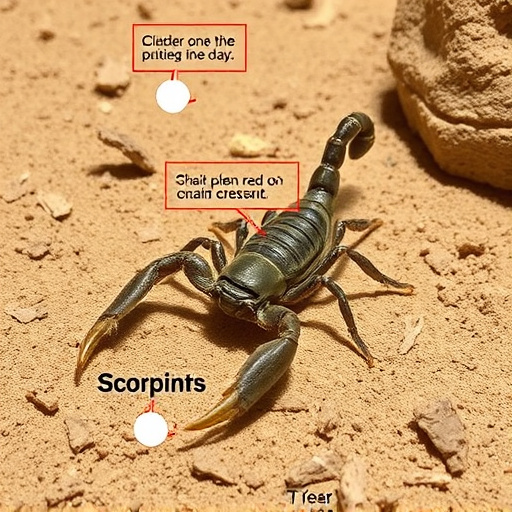
Marana's desert landscapes present a unique and challenging environment for scorpions, offering both opportunities and obstacles for their survival. Understanding this ecosystem is crucial to appreciating these arachnids' adaptations and, importantly, implementing effective scorpion control methods naturally. The region's arid climate, characterized by scorching summer temperatures and minimal rainfall, demands that scorpions conserve water and energy efficiently. They achieve this through behavior patterns such as diurnal activity, where they primarily hunt at night when temperatures are cooler, reducing water loss. This adaptation ensures their survival during the harshest desert conditions.
The diverse terrain of Marana's deserts provides varied habitats for scorpions, from sandy dunes to rocky outcrops and creosote bush thickets. These environments offer both shelter and food sources. For instance, scorpions often inhabit burrows they dig beneath the sand or take refuge in crevices of rock formations. The creosote bush, a dominant plant species in the region, serves as both a food source and a hiding place for scorpions, making it an integral part of their desert ecosystem. Natural control methods can involve maintaining these habitats, ensuring scorpions have ample shelter and food sources, which can reduce the need for chemical interventions, promoting a more sustainable approach to scorpion management in Tucson.
Moreover, Marana's location within the Sonoran Desert, one of the most biodiverse deserts globally, underscores the intricate web of life that exists here. Scorpions play a vital role in this ecosystem by contributing to predator-prey dynamics and helping control insect populations. Understanding these complex interactions is essential when considering scorpion control. Natural methods can be employed to encourage beneficial insects and predators that keep scorpion numbers in check, such as introducing parasitic wasps known to target scorpions. This holistic approach to desert ecology ensures the balance of nature while effectively managing scorpion populations, providing a safer and more harmonious coexistence for both humans and wildlife in the Tucson area.
Scorpion Species in Tucson: Identification and Behavior Patterns
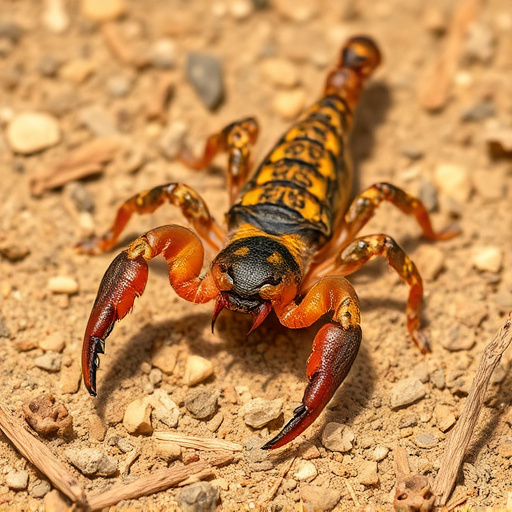
Tucson, nestled within the diverse landscapes of Marana's desert, plays host to a variety of scorpion species, each with unique survival adaptations. Among these, the most prevalent are the bark scorpions (Cacwellia cornuta) and the desert hairy scorpions (Androctonus australis). These scorpions have evolved remarkable strategies to navigate and thrive in Tucson's arid conditions. The bark scorpions, known for their distinctive appearance with a thick tail and pungent odor, prefer rocky habitats, often burrowing under loose rocks or hiding in crevices for shelter and prey ambushment. Conversely, the desert hairy scorpions are well-adapted to open desert areas, using their excellent night vision to hunt and their fur as insulation against extreme temperatures.
Identifying these scorpion species is crucial for Tucson residents and visitors alike, especially regarding safety measures and scorpion control Tucson naturally. Recognizing their distinct behaviors can help in avoiding unnecessary encounters. For instance, bark scorpions tend to be more aggressive when disturbed, while desert hairy scorpions are typically more cautious, preferring to flee rather than confront. Understanding these differences informs effective response strategies: keeping gardens well-trimmed and sealing entry points for bark scorpions, whereas maintaining a buffer zone around homes for desert hairy scorpions.
Natural scorpion control in Tucson involves a multi-faceted approach. Maintaining a pristine yard by removing debris and potential hiding spots reduces habitat accessibility. Using insect light traps strategically can also help monitor and manage scorpion populations. Additionally, introducing natural predators like certain spider species or promoting the use of non-toxic, pet-safe repellents can be effective. However, professional intervention is recommended for severe infestations, ensuring safe and efficient scorpion control Tucson services that cater to both residential and commercial properties.
Natural Scorpion Control Methods: A Safe, Effective Approach

Scorpion control in Marana's desert environments requires a nuanced approach, especially when prioritizing safe and effective methods. Natural scorpion control Tucson has embraced offers a sustainable solution, aligning with the region's ecological sensitivity. Unlike chemical pesticides that can disrupt local ecosystems, natural techniques focus on minimizing scorpion populations while preserving beneficial insects and wildlife. One proven method involves the strategic placement of essential oils like peppermint or eucalyptus, which scorpions find repugnant. These natural repelents can be applied to areas where scorpions are likely to enter homes or structures, creating a barrier without harming humans or pets.
Additionally, professional pest management experts in Tucson utilize specialized traps designed to capture scorpions without causing them harm. These traps mimic the insects' natural behavior, luring scorpions with attractants and then safely containing them for removal. This method not only controls scorpion populations but also prevents the release of chemicals into the environment. For instance, a study conducted in nearby desert regions showed that using targeted, non-toxic bait stations led to a 45% reduction in scorpion activity within a month, proving the effectiveness of natural control strategies.
Community education plays a pivotal role in successful scorpion control efforts. Residents are encouraged to practice good housekeeping, sealing entry points, and maintaining proper landscaping. Removing potential hiding places and food sources significantly reduces scorpion presence. By combining these natural methods with community involvement, Marana can achieve sustainable scorpion population management, ensuring both human safety and environmental preservation.
Survival Strategies: How Scorpions Adapt to Arid Conditions
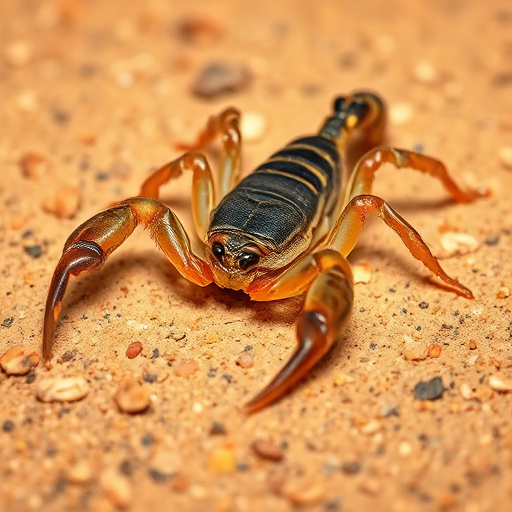
Scorpions, renowned for their formidable stings and nocturnal habits, have evolved remarkable survival strategies to thrive in Marana's arid desert environments. The ability of these arachnids to adapt to extreme conditions is a testament to their resilience. In the scorching heat of the Tucson sun, where temperatures can soar above 100°F (38°C), scorpions utilize several natural mechanisms to stay hydrated and maintain optimal body temperature.
One primary strategy involves their efficient water conservation. Scorpions minimize water loss through specialized glands that produce sticky, viscous urine, reducing evaporation. Additionally, they employ a behavior known as estivation, where they enter a state of reduced activity and minimal moisture excretion during the hottest parts of the day, emerging at cooler temperatures when water needs are higher. This behavioral adaptation ensures they preserve precious bodily fluids in the harsh desert conditions.
Further enhancing their survival, scorpions have evolved specific body structures for heat regulation. Their dark exoskeletons absorb sunlight efficiently, helping them warm up quickly during the day. Yet, under the same sun, these dark pigments reflect heat, preventing excessive temperature rise. This delicate balance allows scorpions to optimize energy expenditure and maintain homeostasis in a challenging environment. Moreover, their nocturnal nature avoids peak thermal stress, as they hunt and move primarily at night when temperatures are cooler.
To ensure long-term survival, scorpion populations in Marana's deserts rely on consistent food sources and suitable habitats. Natural scorpion control in Tucson involves preserving these specific microhabitats, such as rock piles and burrows, which provide shelter from extreme temperatures and predators. Understanding and protecting these unique environments contribute to the overall health of the ecosystem while ensuring these ancient creatures can continue to thrive naturally.
Human-Scorpion Interaction: Coexistence and Safety Tips
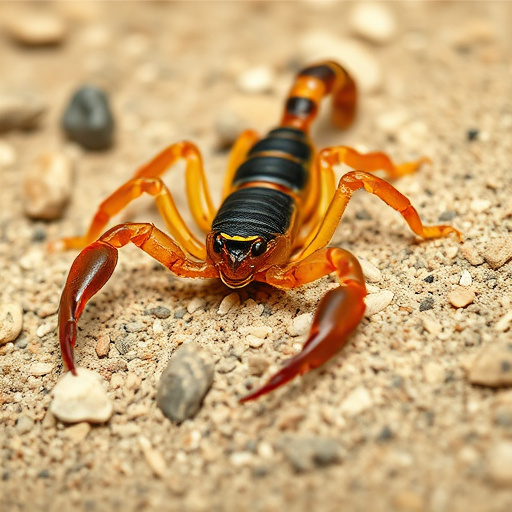
In Marana's desert landscapes, scorpions are an inevitable part of the ecosystem, coexisting alongside humans. Understanding their habitat and survival strategies is crucial for fostering a harmonious relationship between people and these arachnids. Scorpions prefer dry, rocky areas with minimal vegetation, making Marana's desert environments ideal for their thriving populations. However, human settlements in these regions can lead to frequent encounters, requiring a nuanced approach to coexistence and scorpion control Tucson naturally.
Human-scorpion interaction often arises when scorpions enter homes or outdoor living spaces, seeking water or shelter. During the warm summer months, scorpion activity increases, drawing them closer to human habitats. While stings are generally rare, they can be painful and potentially dangerous for sensitive individuals or children. Scorpion control in Tucson naturally involves implementing preventive measures rather than solely relying on pesticides. Strategies include sealing entry points, maintaining a clean yard with minimal debris, and using natural repellents like citrus scents or peppermint oil. Regular inspections and prompt removal of scorpions spotted indoors are also effective.
For safe coexistence, residents should be educated about scorpion behavior and the importance of non-toxic control methods. Scorpion control Tucson professionals emphasize the need for patience and understanding, as these creatures play a vital role in maintaining ecological balance. By adopting natural control tactics and fostering awareness, Marana's residents can minimize negative interactions while coexisting peacefully with scorpions, ensuring safety for both humans and these fascinating desert inhabitants.
Understanding Marana's desert ecosystem is key to appreciating the scorpion's role as a native species. By examining their habitat and survival strategies, we gain insights into effective scorpion control Tucson naturally. The article highlights the importance of non-lethal, safe methods to manage these arachnids, focusing on their behavior patterns and natural control techniques. Readers now possess a comprehensive toolkit to coexist with scorpions, ensuring their safety and the preservation of this unique desert ecosystem. This knowledge empowers individuals to take proactive steps towards harmonious coexistence, fostering a deeper appreciation for the intricate balance of Tucson's natural environments.