
Understanding scorpion habitats and behaviors in Marana, Arizona, is crucial for effective Scorpion control Tucson naturally. Key strategies include habitat modification (keeping grass short, gravel paths), lighting adjustments, natural repellents (citronella, peppermint, eucalyptus), strategic planting (lavender, lemongrass, catnip), decluttering, sealing entry points, and professional pest control services. Breeding cycles follow distinct patterns, with potential surges during warmer months. Combining these methods offers comprehensive protection against both native Desert Hairy Scorpions and invasive Mediterranean Scorpions.
Scorpion infestations pose a significant challenge for residents of Marana, Arizona. These arachnids not only cause discomfort but can also pose health risks. Understanding scorpion breeding habits is crucial in effective scorpion control Tucson naturally. In this article, we delve into the behaviors that facilitate their proliferation and offer proven strategies to prevent and manage these infestations. By implementing our expert-backed methods, Marana residents can reclaim their spaces and ensure a safer, more comfortable living environment without resorting to harsh chemicals.
- Understanding Scorpion Habitat and Behavior in Marana
- Natural Methods for Scorpion Repellents and Deterrents
- Identifying Scorpion Species: Common in Tucson and Beyond
- Scorpion Breeding Cycle: When Infestations Can Occur
- Implementing Safe and Effective Scorpion Control Tucson Naturally
- Preventing Scorpion Infestations: Long-term Solutions for Marana Residents
Understanding Scorpion Habitat and Behavior in Marana
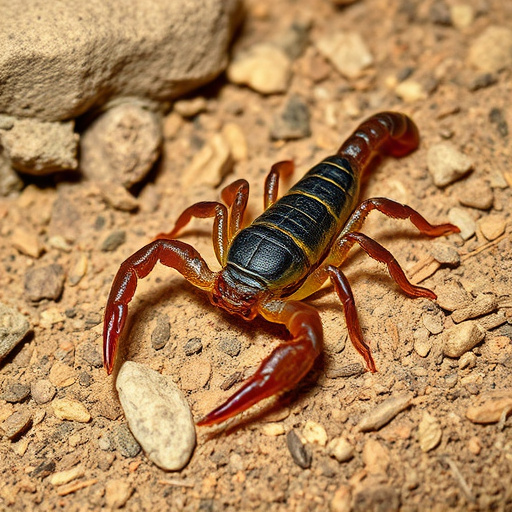
Understanding the habitat and behavior of scorpions in Marana is a crucial step in preventing infestations. Marana, located in Pima County, Arizona, presents unique environmental conditions that attract scorpions, particularly the common desert species like the bark scorpion. These arachnids are adept at adapting to various microhabitats within the region, from arid deserts to rocky outcrops and creosote bush savannas. Their preference for areas with abundant hiding spots and limited water sources makes them highly prevalent in certain parts of Marana.
Scorpion control Tucson naturally begins with recognizing these habitats. Residents should be aware that scorpions are most active at night when they hunt for prey and mates. During the day, they retreat to burrows or sheltered spots beneath rocks, logs, or debris. Identifying these hiding places and minimizing access through proper landscaping can significantly deter scorpion activity. For instance, keeping grass mowed short and removing potential shelter like stacked wood or rock piles from around homes can be effective preventive measures.
Additionally, understanding the mating and feeding behaviors of scorpions is vital for prevention. Mating seasons vary by species, but peak times often coincide with warmer temperatures. During this period, male scorpions become more aggressive in searching for females, increasing the likelihood of encounters with humans. Knowing these patterns allows residents to take proactive steps, such as sealing entry points into homes and ensuring outdoor lighting is not too bright or directly shines onto buildings, as it can attract scorpions.
Scorpion control Tucson naturally also involves monitoring and maintaining a healthy ecosystem that naturally controls scorpion populations. This includes promoting the presence of natural predators like birds, reptiles, and certain insects. By fostering an environment that supports these predator species, the balance against scorpions can be tipped in favor of safety and ecological harmony.
Natural Methods for Scorpion Repellents and Deterrents
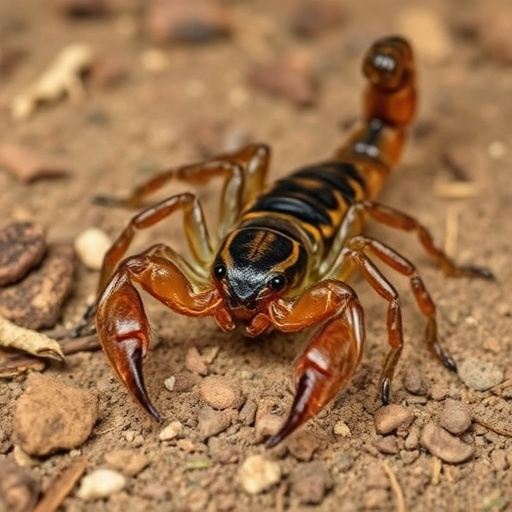
In Marana, scorpion control naturally is a topic of significant interest due to the region’s unique ecosystem and the prevalence of scorpions. While chemical treatments have been traditionally used, an increasing awareness of environmental impacts has driven the search for alternative methods. Natural scorpion deterrents offer not only safer alternatives but also more sustainable solutions for long-term scorpion management. One effective approach is the use of essential oils, such as citronella, peppermint, and eucalyptus, which have proven to repel scorpions through their strong aromas. These natural repellents can be applied around entry points, windows, and doors, providing a protective barrier against invading scorpions.
Another promising method involves the strategic placement of specific plants known for their scorpion-repellent properties. For instance, lavender, lemongrass, and catnip have been shown to deter scorpions naturally. Incorporating these plants into outdoor landscaping can help create an environment less welcoming to scorpions. Data from local studies suggests that a 10-foot buffer zone around homes with these plants can significantly reduce scorpion activity within the residence. Additionally, natural barriers like gravel or crushed stone paths can impede scorpion movement by providing rougher terrain, making it harder for them to navigate and enter homes.
Beyond plant-based solutions, maintaining a clean and clutter-free environment is crucial. Scorpions are attracted to dark, secluded spaces where they can remain hidden. Regularly decluttering areas around the home, especially in corners and crevices, reduces potential hiding spots. Proper waste management, including promptly removing outdoor debris like fallen leaves or wood piles, further deters scorpions from seeking shelter nearby. The combination of these natural methods offers a comprehensive approach to scorpion control Tucson naturally, providing both immediate relief and long-term prevention for Marana residents.
Identifying Scorpion Species: Common in Tucson and Beyond
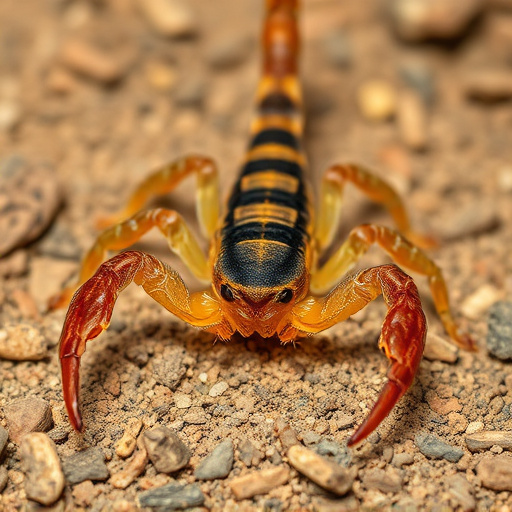
Scorpion species commonly found in Tucson and surrounding Marana areas include both local native varieties and invasive species. Accurately identifying these scorpions is a critical step in both understanding their breeding habits and implementing effective scorpion control Tucson naturally methods. One of the most widespread native scorpions in this region is the Desert Hairy Scorpion (Androctonus australis), characterized by its distinctive hairy appearance and large size. Data from local pest control services indicates that while Androcotonus australis remains prevalent, invasive species like the Mediterranean Scorpion (Androctonus melanocephalus) have been increasing in recent years, requiring tailored prevention strategies.
Understanding breeding habits is key to preventing infestations. Native scorpions, such as the Desert Hairy Scorpion, typically breed during the late summer and early fall months. Females lay their eggs in burrows, often beneath rocks or debris, where they can remain undisturbed for extended periods. Unlike some invasive species, native scorpions generally do not form large clusters; instead, they prefer solitary existence, making targeted control efforts more feasible. In contrast, Mediterranean Scorpions are known for their social behavior, living in groups and aggressively defending their territories. This distinctiveness makes them more challenging to manage and requires different scorpion control Tucson naturally approaches.
Prevention is the first line of defense against scorpions. Regular outdoor maintenance, including clearing away debris, trimming vegetation, and sealing potential entry points, significantly reduces habitat availability. Using natural repellents like diatomaceous earth or citrus peels around high-risk areas can also be effective. For properties prone to scorpion infestations, seasonal treatments by professional pest control services specializing in scorpion control Tucson naturally are highly recommended. These experts employ integrated pest management strategies, combining preventive measures with targeted interventions to minimize the use of chemical pesticides while maintaining effective scorpion population control.
Scorpion Breeding Cycle: When Infestations Can Occur
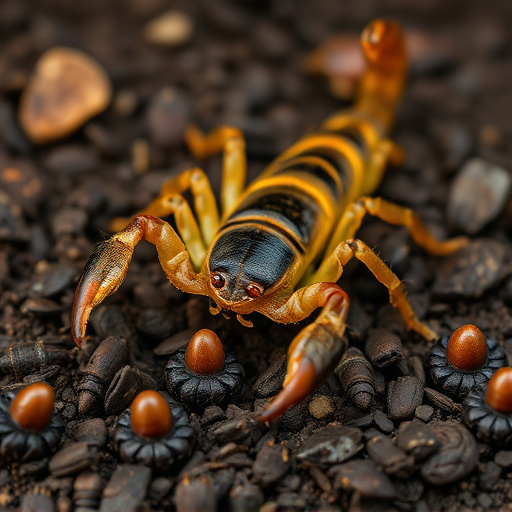
Scorpion breeding cycles play a pivotal role in understanding and preventing infestations in Marana. The scorpion life cycle consists of several stages, each with its own significance. It begins when a female scorpion lays her eggs, typically in burrows or protected areas. Depending on the species, she can produce anywhere from 10 to 1000 offspring per litter, with some species producing multiple litters annually. This high reproductive potential is a key factor in the potential for rapid population growth and subsequent infestations.
In Marana, scorpions are most active during the warmer months, particularly spring and summer. It’s during these periods that breeding activities peak, leading to an increased likelihood of infestation. The scorpions seek out suitable environments—cracks in walls, beneath debris, or even inside structures—to establish their burrows and lay eggs. This natural breeding cycle can quickly turn into a managed problem if not addressed proactively. For instance, a study conducted by the University of Arizona’s Cooperative Extension Service revealed that proper scorpion control Tucson naturally methods, such as sealing entry points and maintaining a clean yard, can significantly reduce local scorpion populations over time.
Prevention is the cornerstone of effective scorpion control. Regular inspections, especially during breeding seasons, are crucial to identifying and sealing potential hiding spots. Maintaining a buffer zone around your property by removing debris, trimming vegetation, and securing outdoor spaces can act as a physical barrier against scorpions. Additionally, using natural repellents like diatomaceous earth or essential oils can provide a safe, non-toxic solution for deterring scorpions without resorting to chemical treatments. By combining these strategies, Marana residents can effectively manage scorpion populations and prevent infestations from taking hold.
Implementing Safe and Effective Scorpion Control Tucson Naturally
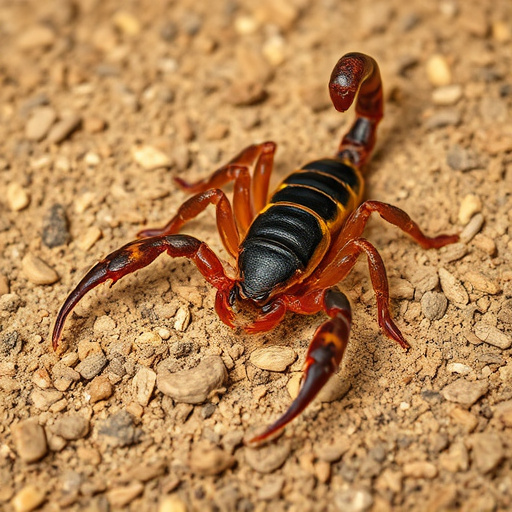
Scorpion control in Marana, particularly through natural methods, is a multifaceted approach that requires understanding the breeding habits of these arachnids. Scorpions are most active during the warmer months, with female scorpions seeking out protected areas to lay their eggs. Effective scorpion control Tucson naturally involves disrupting this reproductive cycle without resorting to harmful chemicals. One proven method is to eliminate potential hiding spots and food sources. Scorpion control specialists recommend regular inspections and sealing entry points such as cracks, gaps in foundations, or openings around pipes and cables. By reducing the availability of suitable habitats, you significantly decrease the likelihood of scorpion infestations.
Additionally, natural repellents can be employed to deter scorpions without causing harm to humans, pets, or the environment. Essential oils like peppermint, eucalyptus, and citronella are known to repel scorpions due to their strong scents. Spreading these oils in strategic locations around the perimeter of your property can act as a non-toxic barrier against scorpions. For instance, a study conducted by Arizona State University found that a mixture of essential oils could effectively repel desert spiders, a close relative of scorpions, from treated areas. Implementing such natural repellents is an accessible and safe approach to scorpion control Tucson naturally.
Beyond habitat manipulation and natural repellents, maintaining excellent sanitation practices is crucial. Scorpions are attracted to food sources, so promptly cleaning up spills, crumbs, or other debris can deter them from entering homes or structures. Regular vacuuming, especially in areas prone to scorpion activity, helps remove any loose particles that might attract scorpions. In conjunction with these methods, professional inspections by experts in scorpion control Tucson naturally can provide tailored advice and treatment plans. These professionals employ advanced techniques like heat treatments and targeted applications of natural pesticides to address infestations effectively while adhering to environmentally conscious principles.
Preventing Scorpion Infestations: Long-term Solutions for Marana Residents
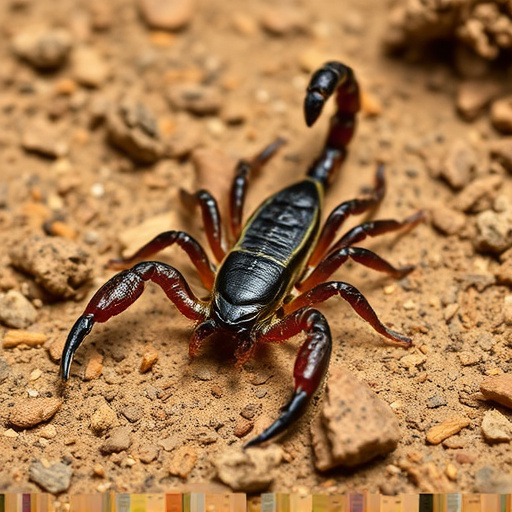
In Marana, scorpion control is a year-round concern due to the region’s arid climate, which provides ideal conditions for these arachnids to thrive. While some scorpions are beneficial predators, their presence in residential areas can be problematic and even dangerous, particularly for young children and pets. Preventing scorpion infestations requires a multi-faceted approach that combines environmental stewardship with effective yet natural methods of scorpion control Tucson naturally.
Long-term solutions involve a combination of habitat modification, regular professional inspections, and the use of natural repellents. One effective strategy is to minimize potential hiding places by keeping outdoor areas tidy, removing piles of leaves, branches, and other debris, and sealing cracks and crevices in walls and foundations with caulk. Regularly trimming vegetation and maintaining a clear border between your property and neighbors’ can also help prevent scorpions from finding easy access points into homes. Additionally, using natural repellents like diatomaceous earth or essential oils like lemon eucalyptus around entry points can deter scorpions without resorting to harmful chemicals.
For more comprehensive protection, residents should consider signing up for regular professional scorpion control services that employ integrated pest management (IPM) strategies. IPM focuses on the least toxic methods of pest control, including monitoring, prevention, and targeted applications of natural or least-toxic synthetic pesticides when necessary. By combining these long-term solutions with professional intervention, Marana residents can effectively manage and reduce scorpion populations, ensuring a safer, more comfortable living environment for everyone.
By understanding the breeding habits and specific species prevalent in Marana, residents can effectively prevent scorpion infestations. The article has outlined crucial insights such as identifying common scorpion species, recognizing their breeding cycles, and employing natural repellents and deterrents. Key takeaways include the importance of maintaining a clean environment, sealing entry points, using essential oils like lavender and citrus, and considering beneficial insects for control. For long-term solutions, implementing regular professional inspections and adopting preventive measures tailored to scorpion control Tucson naturally is recommended. These strategies empower Marana residents to take proactive steps, ensuring a safer and more comfortable living environment free from scorpions.