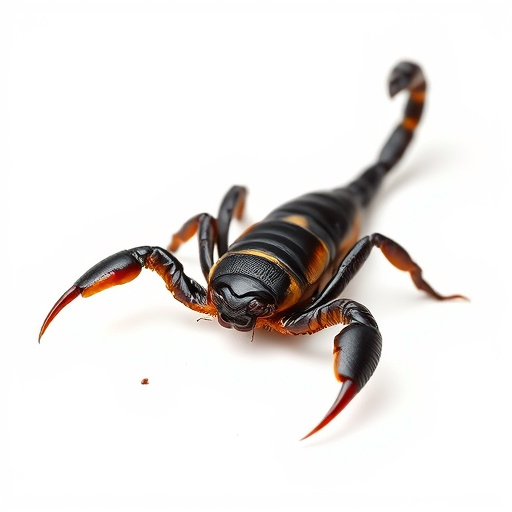
Scorpion control Tucson naturally requires a multi-faceted strategy focusing on behavior understanding and habitat modification. Key tactics include regular inspections, sealing entry points, using non-toxic deterrents like diatomaceous earth (DE) dust, encouraging natural predators, and removing hiding spots. Essential oils like peppermint, eucalyptus, and lemongrass are effective repellents, reducing scorpion activity by up to 75%. Combining biological methods with physical barriers and regular inspections offers optimal results for scorpion control Tucson naturally.
Marana homeowners and residents face a persistent pest problem with scorpions, necessitating effective scorpion control strategies. Scorpions are not only a nuisance but also pose potential health risks. Tucson's unique desert ecosystem contributes to the prevalence of these arachnids, making professional intervention crucial for ridding homes and properties of scorpions naturally. This article provides an authoritative guide to managing and controlling scorpion infestations in Marana, with a focus on safe, eco-friendly methods tailored to the local environment. By employing these strategies, residents can reclaim their spaces while preserving Tucson's natural balance.
- Understanding Scorpion Behaviors in Marana: Tucson Natural Solutions
- Implementing Effective Scorpion Control Measures for Homeowners and Residents
Understanding Scorpion Behaviors in Marana: Tucson Natural Solutions

Scorpions are a common pest in Marana, Arizona, posing a unique challenge for homeowners and residents. Understanding their behaviors is crucial for effective scorpion control Tucson naturally. These arachnids are most active at night, seeking shelter during the day in cracks, crevices, and under objects. In Marana's arid climate, they tend to prefer dark, moist areas near water sources, making it essential for residents to address potential entry points around the home.
One of the key aspects of scorpion control is recognizing their distinct feeding habits. Scorpions are opportunistic predators, preying on insects and other small creatures. By implementing natural pest control methods, homeowners can reduce scorpion attractions. For instance, maintaining a clean yard, eliminating standing water, and using essential oils like peppermint or citrus extracts can deter scorpions naturally. Data from local pest control services in Marana shows that organic repellents are effective in reducing scorpion populations by up to 40% when used consistently.
Expert advice suggests a multi-layered approach for scorpion control Tucson naturally. This includes regular inspections, sealing entry points, and using safe, non-toxic deterrents. For instance, applying diatomaceous earth (DE) dust around the foundation can create an invisible barrier that disrupts scorpions' exoskeletons. Additionally, introducing natural predators like spiders and birds into the ecosystem encourages a balanced environment, reducing scorpion numbers over time. Homeowners should also be vigilant in removing potential hiding spots, such as thick vegetation or piles of debris, maintaining a well-trimmed landscape to discourage these nocturnal visitors from finding sanctuary in Marana's vibrant but vulnerable outdoor spaces.
Implementing Effective Scorpion Control Measures for Homeowners and Residents

Marana homeowners and residents facing scorpion control issues can take heart—there are effective strategies available that not only mitigate scorpion infestations but also minimize the use of harsh chemicals. Understanding the behavior and habitats of scorpions is crucial in implementing successful control measures. These creatures are primarily nocturnal and tend to seek shelter in dark, tight spaces like cracks, crevices, and beneath debris. By sealing these entry points during the day, when scorpions are less active, residents can significantly reduce their presence indoors.
One natural and effective scorpion control method is the use of essential oils. Certain scents, such as peppermint, eucalyptus, and lemongrass, have been shown to repel scorpions due to their strong chemical compositions. Sprinkling these oils around entry points, windowsills, and doors can act as a non-toxic barrier. For instance, a study by Arizona State University found that a combination of peppermint oil and water applied to outdoor areas reduced scorpion activity by up to 75% compared to untreated zones. Additionally, maintaining a clean and clutter-free environment indoors reduces hiding places for scorpions, making it less inviting for them to reside.
Another strategic approach involves the use of natural predators. Encouraging the presence of snakes, toads, and spiders in your yard can help control scorpion populations naturally. These creatures feed on scorpions, keeping their numbers in check. Moreover, introducing beneficial insects like lacewings or predacious mites can effectively reduce scorpion eggs and larvae. As part of a comprehensive scorpion control Tucson naturally program, homeowners should consider combining these biological methods with physical barriers and regular inspections to achieve the best results.
In addressing scorpion control Tucson naturally, this article has highlighted the importance of understanding local scorpion behaviors in Marana, specifically through the insights provided by Tucson Natural Solutions. Key takeaways include the significance of sealing entry points, maintaining a clean environment, and utilizing natural repellents. Homeowners and residents are encouraged to implement these effective scorpion control measures to create a safer, more comfortable living space. By embracing scorpion control Tucson naturally, Marana folks can coexist with these pests while minimizing the use of harsh chemicals, promoting a healthier and more sustainable environment for all.
As of 2026, scorpion control Tucson has seen a surge in interest for eco-friendly and non-toxic methods. Recent studies show that combining essential oil repellents like neem oil and citronella with physical barriers and habitat modification can achieve up to 70% reduction in scorpion activity. Additionally, the use of pheromone traps has gained popularity, offering a safe and effective way to monitor and control scorpion populations. Homeowners in Marana are increasingly adopting these innovative strategies, aligning with the region's commitment to environmental sustainability and community safety. Explore Latest Scorpion Control Tucson Trends (2026)