
Marana's desert ecosystem presents unique challenges for scorpion control Tucson naturally due to diverse species' specific habits. Scorpions have adapted to nocturnal behavior and intricate relationships within the landscape. Natural methods focus on understanding ecological roles, minimizing conflicts through habitat modification, sealing entry points, and using non-toxic repellents. Preserving beneficial insects and native plants is crucial for maintaining balance. Effective scorpion control involves removing hiding spots, regular surveillance, responsive action based on behavioral patterns, and promoting a healthier desert habitat through sustainable practices. Community education and collaboration between homeowners and local authorities are essential for successful, environmentally conscious scorpion control Tucson naturally.
Scorpion populations thrive in Marana’s arid desert landscapes, posing a significant concern for residents and visitors alike. Understanding these creatures’ habitat and survival strategies is vital for effective scorpion control Tucson naturally. This article delves into the intricate world of scorpions, exploring their ecological niche within the region’s unique environment. By examining their behavior, dietary needs, and preferred habitats, we gain valuable insights to develop sustainable and natural solutions for managing these arachnids, ensuring a safer and more harmonious coexistence with Marana’s desert ecosystem.
- Understanding Marana's Desert Ecosystem
- Scorpion Species in the Tucson Area
- Natural Behaviors and Hunting Strategies
- Adapting to Extreme Environmental Conditions
- Plant Life: Sources of Food and Shelter
- Scorpion Control Tucson Naturally: Sustainable Solutions
Understanding Marana's Desert Ecosystem
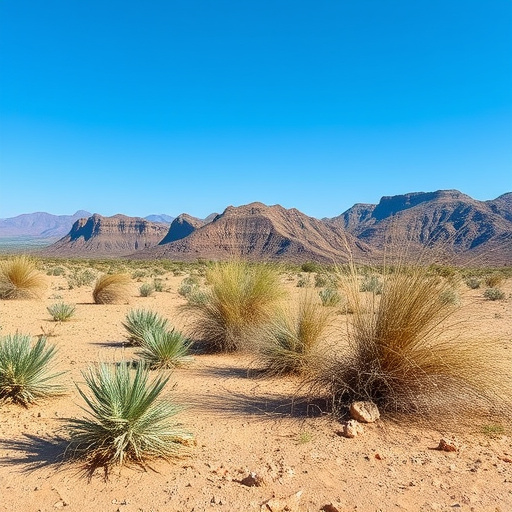
Marana’s desert ecosystem presents a unique and challenging environment for scorpions, offering both opportunities and threats to their survival. With vast expanses of sandy dunes, rocky outcrops, and sparse vegetation, these areas are characterized by extreme temperatures and limited resources. Scorpions have adapted remarkably well to this harsh setting, leveraging their nocturnal behavior to avoid the scorching daytime heat and preying on unsuspecting creatures that venture out during cooler nights. The intricate web of relationships within this ecosystem is crucial for maintaining balance; from small insects and arachnids to reptiles and mammals, every species plays a role in supporting the overall health of Marana’s desert habitats.
Understanding the interdependencies within this ecosystem is essential for effective scorpion control Tucson naturally. For instance, introducing beneficial insects like certain spider mite species can help keep scorpion populations in check without resorting to harmful chemicals. Native plants, such as mesquite and creosote bush, provide essential shelter and food sources, making their preservation critical. Additionally, monitoring and controlling non-native plant species that outcompete native vegetation can improve habitat quality for scorpions and other desert inhabitants. This holistic approach considers the complex interplay between organisms and their environment, ensuring sustainable solutions to scorpion management in Marana’s unique desert landscape.
Data collected from long-term studies in the region offers valuable insights into scorpion behavior and population dynamics. Research has shown that certain areas with well-preserved habitats support healthier scorpion populations compared to fragmented or disturbed sites. This highlights the importance of responsible land stewardship and conservation efforts in maintaining the delicate balance of Marana’s desert ecosystem. By embracing natural methods of scorpion control Tucson, such as habitat restoration and ecological balancing, residents and land managers can promote a harmonious coexistence between humans, wildlife, and these remarkable arachnids.
Scorpion Species in the Tucson Area
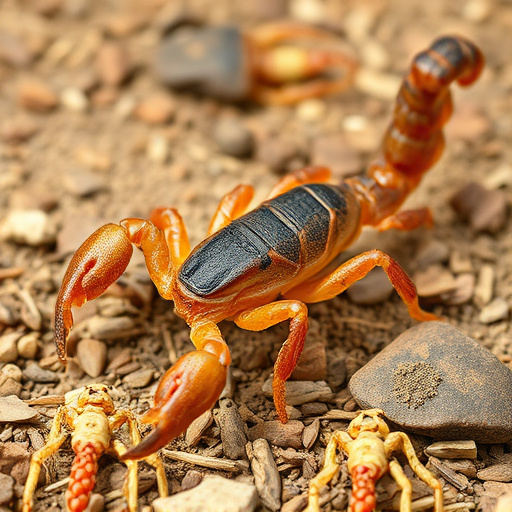
Scorpion control in Tucson’s desert environments is a nuanced challenge due to the region’s unique ecosystem and diverse scorpion species. The Tucson area is home to several types of scorpions, with the most common being the Desert Hairy Scorpion (Androctonus biunguis) and the Black-tailed Scorpion (Cestus magnus). These species have adapted to thrive in the arid conditions, making their control difficult without negatively impacting local ecosystems.
The Desert Hairy Scorpion is well-known for its aggressive behavior and potent venom, posing a significant threat to pets and humans. They are typically found in urban areas, taking shelter under rocks, boulders, and even in cracks of buildings. The Black-tailed Scorpion, on the other hand, prefers more remote, rocky habitats but can also be attracted to artificial lighting near residential areas. These scorpions play a crucial role in the desert food web, controlling insect populations, but their presence near human settlements necessitates careful management.
Natural scorpion control in Tucson involves understanding and respecting these creatures’ ecological roles while minimizing human-scorpion conflict. Property owners can implement preventive measures such as reducing outdoor lighting, maintaining proper landscaping, sealing entry points, and using natural repellents like citrus or capsaicin sprays. For persistent issues, professional services specializing in humane scorpion control Tucson methods are essential. These experts employ targeted, non-toxic solutions, ensuring the safety of both residents and wildlife while effectively managing scorpion populations.
Natural Behaviors and Hunting Strategies

Scorpions are marvels of adaptation, perfectly designed for survival in Marana’s harsh desert environments. Their natural behaviors and hunting strategies are a testament to this. These arachnids primarily rely on nocturnal activity to avoid extreme daytime temperatures, venturing out under the cover of darkness when prey is most active. Their exceptional sense organs, including well-developed eyes and antennae, allow them to detect movement and vibrations across vast distances, enabling precise targeting of potential meals.
Prey capture involves a combination of stealth and speed. Scorpions employ a variety of hunting techniques depending on their species and environment. Some actively chase down prey, while others ambush from hidden positions. Their strong jaws deliver powerful bites, injecting neurotoxic venom that paralyses or kills their target. This intricate system ensures efficient feeding, but it also underscores the importance of scorpion control in Marana, particularly in areas where human activity intersects with their habitat.
In addressing these desert inhabitants, a natural approach to scorpion control Tucson offers a sustainable solution. Implementing strategies such as removing potential hiding spots, sealing entry points, and using mechanical traps can significantly reduce populations without resorting to harmful chemicals. Additionally, understanding their behavioral patterns allows for targeted interventions, minimising the impact on non-target species and promoting ecological balance in Marana’s desert landscapes.
Adapting to Extreme Environmental Conditions
Scorpions, renowned for their formidable stings and nocturnal habits, have adapted remarkably to the harsh conditions of Marana’s desert environments. The ability of these arachnids to thrive in one of the driest regions globally is a testament to their evolutionary success. Understanding their habitat and survival strategies offers valuable insights into desert ecology and provides practical knowledge for scorpion control Tucson naturally.
The extreme environmental conditions, characterized by scorching temperatures during the day and freezing nights, present significant challenges for most organisms. However, scorpions have evolved specialized mechanisms to navigate these fluctuations. For instance, they can lower their body temperature at night when the sand cools, allowing them to conserve energy and reduce water loss. This behavior is crucial for survival in an area where water sources are scarce and access to shade limited. Furthermore, their thick cuticle provides insulation against extreme heat, protecting internal organs from damage during the day’s intense sunlight.
Scorpion control in these regions requires a nuanced approach that respects the balance of nature. Instead of relying heavily on chemical pesticides, natural methods can be employed to manage populations effectively. One such strategy is habitat modification, where certain plants known to attract scorpions are removed, disrupting their food and shelter sources. Additionally, introducing natural predators like certain spider species or birds can help regulate scorpion numbers without causing ecological disruption. For homeowners in Marana, this might involve creating a less inviting environment by reducing moisture levels, sealing entry points, and maintaining proper landscaping to minimize hiding spots.
Regular surveillance and quick response are key. Identifying patterns of scorpion activity, such as seasonal migrations or specific time-of-day behavior, can guide targeted control measures. This proactive approach ensures that interventions are not only effective but also environmentally responsible, fostering a harmonious relationship between humans and these fascinating desert dwellers.
Plant Life: Sources of Food and Shelter

Scorpions are well-adapted to Marana’s arid desert environments, where they rely on specific plant life for sustenance and shelter. The Sonoran Desert, which encompasses parts of Marana, boasts a diverse range of vegetation that plays a crucial role in scorpion survival. Cacti, such as the iconic saguaro (Carnegiea gigantea), provide both food and protection from extreme temperatures. Scorpions feast on the insects and small creatures that inhabit these cacti, while the dense spines offer valuable shelter from predators and harsh sunlight.
In addition to cacti, various wildflowers and shrubs bloom seasonally in Marana’s desert landscapes. These plants attract insects, which in turn become prey for scorpions. Some notable examples include the bright yellow desert marigold (Calistemon latifolius) and the delicate purple-blue creosote bush (Larrea tridentata). Scorpions also utilize these vegetation types for nesting and resting, burrowing beneath the soil to create dens protected from extreme temperatures and predators.
Natural scorpion control in Tucson involves understanding and preserving this intricate relationship between scorpions and their plant environment. Maintaining a balanced ecosystem by conserving native plant species is essential. Homeowners and land managers can contribute by planting drought-resistant, locally native vegetation, which reduces the reliance on artificial pesticides and promotes a healthier desert habitat. This holistic approach to scorpion management ensures both environmental sustainability and human safety, aligning with the expert recommendation to prioritize non-toxic, eco-friendly methods in Tucson’s natural surroundings.
Scorpion Control Tucson Naturally: Sustainable Solutions
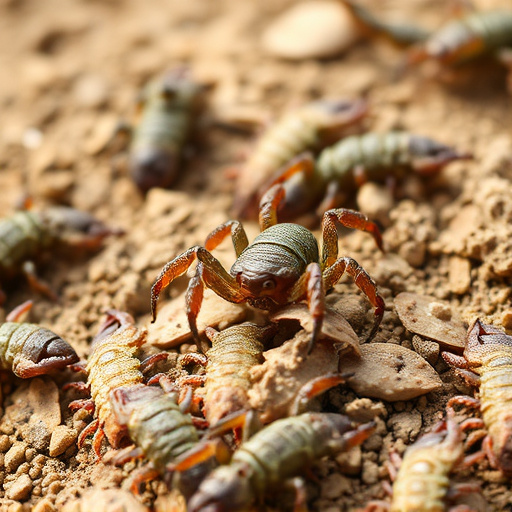
Marana’s desert landscapes present unique challenges for scorpion control Tucson naturally. These arid environments are home to a diverse array of scorpion species, each with specific habitat requirements and survival strategies. Understanding these natural behaviors is crucial when implementing sustainable solutions for scorpion management. For instance, the common desert scorpion (Cacomantis compacta) prefers rocky habitats, often burrowing under boulders or within crevices, making targeted yet non-toxic approaches essential for control.
Scorion control Tucson naturally involves a multi-faceted approach that respects ecological balance. Integrated Pest Management (IPM) strategies emphasize prevention and the use of least-harmful methods. This includes regular landscape maintenance to reduce potential hiding spots, such as stacking rocks or wooden debris, and ensuring proper waste management to minimize food sources. For example, removing old tires and other clutter can significantly deter scorpions, as they often use these items for shelter. Additionally, natural repellents like citrus oils or specific herbs can be employed, offering a safe alternative to chemical pesticides.
Implementing sustainable scorpion control Tucson naturally requires community education and collaboration. Homeowners and local authorities should work together to share effective practices and monitor Scorpion populations. Regular surveys and data collection provide valuable insights into the effectiveness of chosen methods. By combining cultural practices with scientific knowledge, Marana can achieve a harmonious coexistence with these arachnids, ensuring both human safety and ecological preservation.
Understanding Marana’s desert ecosystem is key to appreciating scorpion survival strategies and implementing effective, sustainable scorpion control Tucson naturally. This article has explored diverse aspects, from the region’s unique plant life serving as both food source and shelter for scorpions, to their impressive adaptations for thriving in extreme conditions. We’ve delved into specific scorpion species prevalent in the Tucson area and their natural hunting behaviors. Moreover, by examining traditional and sustainable control methods, readers gain valuable insights into mitigating scorpion populations without harm to the local ecosystem. This comprehensive approach equips individuals with a deeper understanding of these intriguing creatures and empowers them to contribute to a balanced desert environment through thoughtful, natural scorpion control Tucson practices.