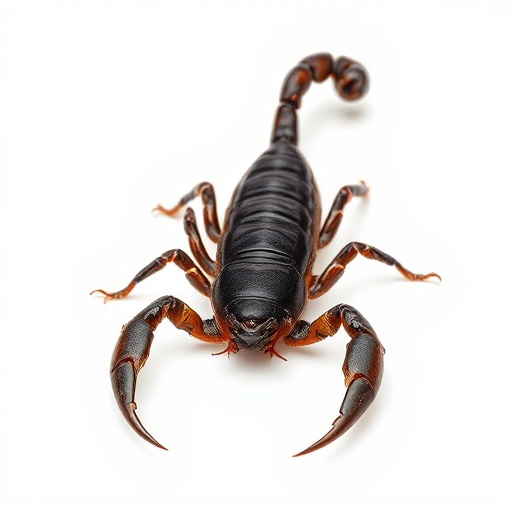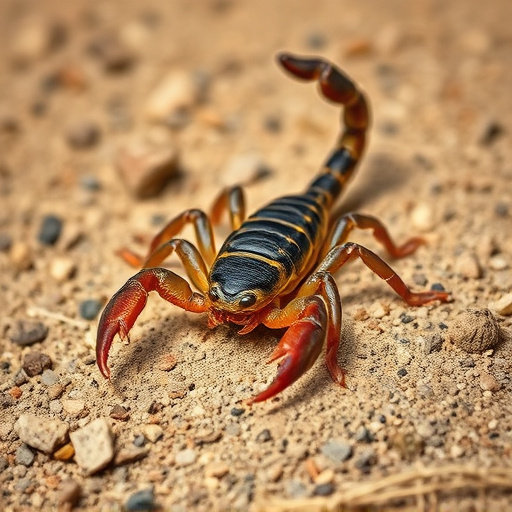
Scorpion control Tucson naturally requires understanding desert ecosystems: extreme temperatures, scarce water, varied terrain influence scorpion behavior and habitat preferences. Non-lethal methods include monitoring hotspots, removing shelters/food sources, using natural repellents (citrus peels, peppermint oil), promoting native plants for predator encouragement. Effective strategies involve sealing entry points, minimizing clutter, using essential oils, and regular monitoring to maintain ecological balance while mitigating human-scorpion encounters.
Scorpion populations in Marana’s desert environments pose a significant concern for residents and visitors alike. These arachnids are not only a common sight but also known for their potent stings, making scorpion control Tucson an essential aspect of local ecology management. Understanding the habitat and survival strategies of scorpions is crucial to developing effective and natural solutions. This article delves into the intricate world of Marana’s desert ecosystems, exploring how these creatures thrive and what measures can be taken for scorpion control Tucson that respects the balance of nature. By providing insights into their behavior and environmental needs, we aim to offer practical guidance while preserving the delicate tapestry of desert life.
- Understanding Marana's Desert Ecosystems
- Scorpion Species in Tucson's Natural Habitat
- Behavioral Patterns and Survival Strategies
- Role of Climate and Geography in Scorpion Distribution
- Scorpion Control Tucson Naturally: Effective Methods
- Human-Scorpion Interaction and Coexistence Tips
Understanding Marana's Desert Ecosystems
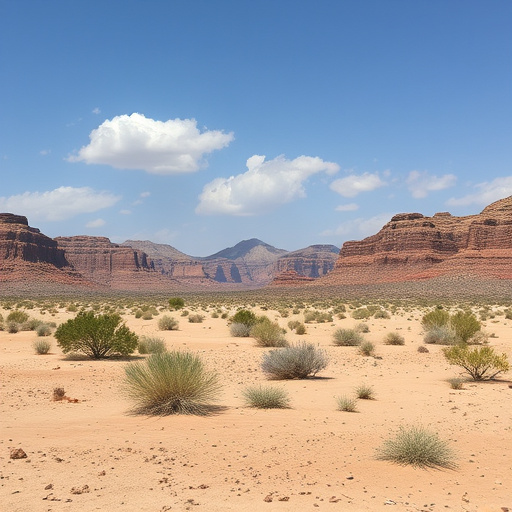
Marana’s desert ecosystems offer a unique and challenging environment for scorpions, with diverse habitats ranging from arid scrublands to sandy dunes and rocky outcrops. Understanding these microclimates is crucial for both ecological studies and scorpion control Tucson naturally. The region’s extreme temperatures, scarce water sources, and varied terrain shape the behavior and distribution of scorpions, making them well-adapted to survive in these harsh conditions. For instance, the common desert scorpion (Cacalus versicolor) prefers open, sandy areas with access to rock piles, which provide both shelter and hunting grounds for their preys.
The intricate interplay between soil types, vegetation density, and sunlight exposure creates distinct ecological zones that influence scorpion populations. In areas with limited vegetation, scorpions benefit from reduced predation and efficient heat absorption through the sand, allowing them to remain active during the hottest parts of the day. However, these same conditions can make it difficult for natural predators like tarantulas and bird species to thrive, thus maintaining a delicate balance in the desert food web. Scorpion control efforts in Marana should consider these ecological nuances, focusing on non-lethal methods that preserve the biodiversity while mitigating human-scorpion conflicts.
Regular monitoring of scorpion hotspots, coupled with strategic removal of potential shelters and food sources, can significantly reduce scorpions’ presence in residential areas. Using natural repellents like citrus peels or peppermint oil has proven effective in deterring scorpions without resorting to harmful chemicals. Additionally, modifying landscaping to include native plants that discourage scorpions and promote natural predators can foster a more sustainable ecosystem. By understanding Marana’s desert ecosystems, residents can work collaboratively with experts to implement scorpion control strategies that are both safe for the environment and effective in protecting human health.
Scorpion Species in Tucson's Natural Habitat
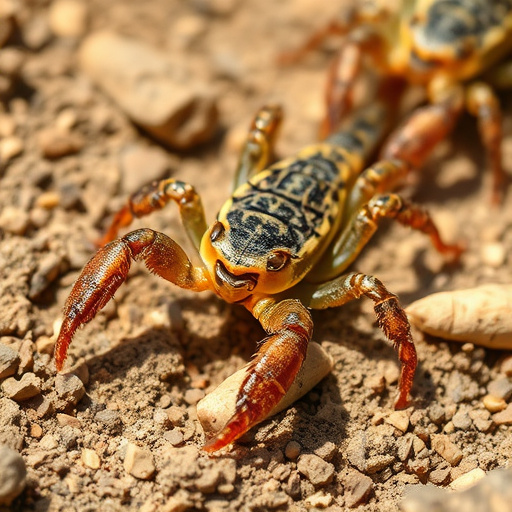
Scorpions are an integral part of Tucson’s desert ecosystem, with over 13 species calling this region home. Among them, the most common is the bark scorpion (Centrura baldus), known for its distinctive shape and potent venom. Understanding these creatures’ natural habitat and survival strategies in Marana’s desert environments is crucial for both ecological balance and human safety.
Tucson’s diverse landscapes, from arid deserts to rocky outcrops, provide a range of microhabitats for scorpions. They prefer warm, dry conditions with plenty of shelter and prey. In urban areas, common locations include under debris, rocks, and even inside homes, especially in older buildings with cracks and crevices. The bark scorpion, in particular, has adapted well to human settlements, using man-made structures as a means to avoid harsh daytime temperatures. Scorpion control in Tucson naturally involves recognizing these habitats and taking proactive steps to minimize their presence around homes and public spaces.
Regular inspections, sealing entry points, and proper waste management are effective methods to deter scorpions. Removing potential hiding spots like piles of wood or debris is also beneficial. Moreover, using natural repellents like citrus scents or specific plants known to discourage scorpions can be a safe alternative to chemical treatments. For instance, lavender, lemongrass, and catnip have shown promise in repelling scorpions without causing harm to humans or pets. By combining these approaches, Tucson residents can co-exist harmoniously with these fascinating arachnids while ensuring their own safety and comfort.
Behavioral Patterns and Survival Strategies

Scorpions, particularly in Marana’s desert environments, exhibit intricate behavioral patterns and survival strategies tailored to their arid habitat. These arachnids are primarily nocturnal, avoiding the intense daytime heat and emerging under the cover of darkness to hunt for food. Their behavior is closely tied to temperature regulation, with activity levels fluctuating based on daily and seasonal temperature changes. In Marana’s desert, scorpions often seek refuge in burrows or cracks in the terrain during the hottest parts of the day, emerging when temperatures drop in the evening.
Survival strategies among scorpions in these environments are multifaceted. They possess exceptional desiccation resistance due to specialized adaptations like reduced water loss and efficient storage mechanisms for moisture. Scorpions also employ camouflage and defensive mechanisms, such as their venomous stings, to evade predators and protect themselves. In terms of food acquisition, they are opportunistic feeders, preying on a variety of desert invertebrates and even small reptiles or mammals when available. Their ability to survive with minimal water makes them well-adapted to the drought-prone conditions of Marana’s desert environments.
When it comes to scorpion control in Tucson naturally, understanding these behavioral patterns is crucial. Implementing strategies like maintaining proper sealing around homes to prevent entry, removing potential hiding spots like piles of debris or wood, and using commercial repellents can be effective. However, it’s important to note that complete eradication may not be feasible due to the species’ natural role in the desert ecosystem. Therefore, a balanced approach focusing on minimization and coexistence is often recommended, aligning with the principles of integrated pest management.
Role of Climate and Geography in Scorpion Distribution
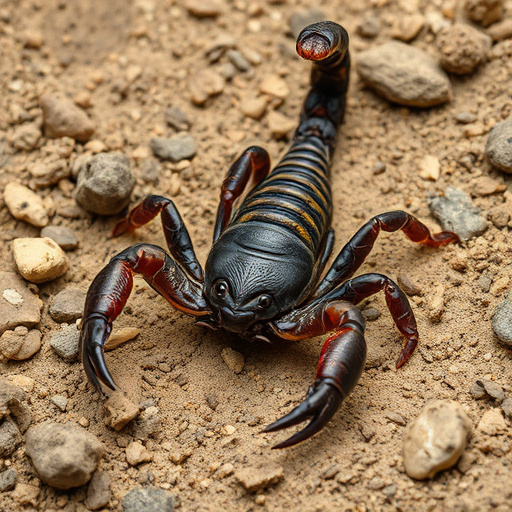
Scorpion populations in Marana’s desert environments are shaped by intricate interactions between climate and geography. These factors play a pivotal role in determining where these arachnids thrive or struggle to survive. In general, scorpions tend to favor hot, dry climates with abundant sunlight, which aligns perfectly with Marana’s arid landscape. The region’s distinct microclimates, ranging from rocky deserts to sandy dunes, offer diverse habitats catering to various scorpion species. For instance, the Sonoran Desert, prevalent in Marana, supports a multitude of scorpion varieties, each adapted to specific ecological niches.
The geographical distribution of scorpions is not solely influenced by temperature and sunlight but also by terrain and available shelter. Mountains, canyons, and rocks provide essential hiding places from predators and extreme weather conditions. In Marana, these natural formations create complex habitats where scorpions can escape the scorching desert heat during the day and hunt for prey at night. This behavioral pattern is crucial for their survival, as it allows them to regulate body temperature and avoid excessive energy expenditure in the intense sun.
Furthermore, water availability significantly impacts scorpion distribution. While Marana’s arid nature might suggest limited water sources, certain areas with occluded springs or occasional rainfall attract scorpions. These oases serve as vital resources for hydration and breeding, leading to denser populations in such locations. Understanding these climatic and geographical factors is paramount for effective scorpion control in Tucson naturally. By identifying habitat hotspots and implementing tailored management strategies, professionals can mitigate scorpion infestations without resorting to harsh chemicals.
Scorpion Control Tucson Naturally: Effective Methods
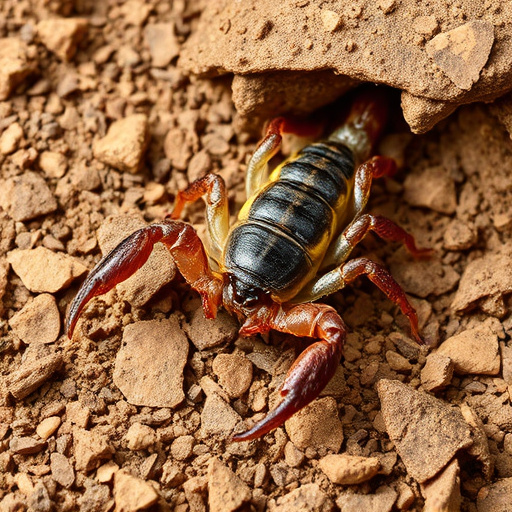
Scorpions are an integral part of Marana’s desert ecosystem, but their presence can also pose a challenge for residents and visitors alike. Effective scorpion control Tucson naturally involves understanding these creatures’ habitat and behavior within our unique desert environments. Marana’s arid landscapes provide ideal conditions for scorpions to thrive, with abundant rocks, crevices, and hiding places that shield them from extreme temperatures. They are well-adapted to survive prolonged droughts by entering a state of quiescence, burrowing deep into the sand or hiding in rocky shelters until moisture returns.
Natural methods for scorpion control Tucson rely on non-toxic, environmentally friendly approaches that disrupt their habitat and deter these arachnids without causing harm to other wildlife or humans. One effective strategy is to minimize clutter and remove potential shelter sites by keeping outdoor spaces clean and tidy. Clearing brush, stacking firewood neatly, and securing trash cans with tight-fitting lids can significantly reduce scorpion habitats. Additionally, using essential oils like citrus, peppermint, or eucalyptus in natural repellents has shown promise in deterring scorpions. These organic solutions can be applied to problem areas around homes and gardens to create a less inviting environment for these creatures without leaving harmful residues.
Another proven method is the strategic placement of glue traps, which are highly effective at capturing scorpions without causing them harm. Positioning these traps along common scorpion paths or in areas with known activity can help monitor and control their population. It’s essential to check and empty these traps regularly, following local guidelines for proper disposal. By combining these natural methods with regular monitoring and maintenance, residents of Marana can effectively manage scorpion populations while preserving the ecological balance of our desert home.
Human-Scorpion Interaction and Coexistence Tips
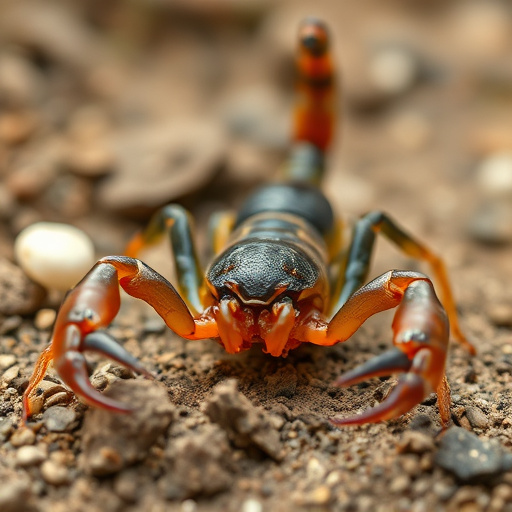
Scorpions are an integral part of Marana’s desert ecosystem, playing a vital role in maintaining ecological balance. However, their presence can also raise concerns among residents and visitors alike, especially when it comes to human-scorpion interaction. Understanding these creatures’ habits and implementing effective scorpion control Tucson naturally strategies is key to safe coexistence.
In Marana’s arid conditions, scorpions thrive in crevices, under rocks, and within burrows, preferring warm and dry environments. They are primarily nocturnal, seeking shelter during the day and becoming active as temperatures cool in the evening. Human-scorpion encounters often occur when these creatures venture into populated areas, attracted by artificial lighting or seeking moisture sources. While stings can be painful and potentially dangerous for sensitive individuals, most scorpion species are reclusive and prefer to avoid human contact.
Coexistence with scorpions requires a multi-pronged approach. Regularly inspecting and sealing entry points such as gaps in foundations, cracks in walls, and spaces around pipes can prevent scorpions from entering homes. Maintaining a clean yard, removing clutter, and trimming vegetation close to structures helps reduce potential shelter spots for scorpions. Using natural deterrents like diatomaceous earth or citrus peels around entry points can also be effective without resorting to harmful chemicals. For those seeking scorpion control Tucson naturally, professional services offering integrated pest management techniques, including targeted treatments and habitat modification, are highly recommended. These strategies not only reduce scorpion populations but also minimize the use of synthetic pesticides, promoting a safer and more environmentally conscious approach.
By embracing these practical tips and fostering an understanding of scorpions’ ecological role, Marana residents can effectively manage these arachnids and create harmonious coexistence in their desert environments. Remember, while scorpions may occasionally cross paths with humans, with proper precautions and natural control methods, the risk of interactions can be minimized without compromising the well-being of either party.
By delving into Marana’s desert ecosystems, understanding scorpion species’ behavioral patterns, and recognizing the impact of climate and geography, we gain crucial insights for effective scorpion control Tucson naturally. The article highlights that while coexistence is possible, proactive measures are essential to mitigate interactions. Key takeaways include the importance of habitat management, such as removing organic debris, sealing entry points, and using natural repellents like citrus or mint oils. Additionally, understanding seasonal patterns and specific species’ preferences allows for targeted and safe scorpion control methods. By adopting these practices, residents can create an environment that discourages scorpions while preserving the ecological balance of Marana’s desert landscapes.