
Marana residents can effectively manage scorpions through scorpion control Tucson naturally strategies: identifying species (Cacotheres simus & Centruroides sculpturatus), preventing entry with inspections & sealing cracks, using natural repellents like citrus peels and essential oils, maintaining clean yards, and reducing outdoor lighting. Combining these practices allows safe coexistence while minimizing sting risks. Seasonal awareness is key; peak activity occurs July-September. Community education and integrated pest management enhance effectiveness and ecological preservation.
Scorpion infestations in Marana neighborhoods have become a growing concern for residents, highlighting the need to better understand these arachnid neighbors. Scorpions are not only a common pest but also play a unique role in the local ecosystem. The challenge lies in mitigating their presence without resorting to harsh chemicals, especially in an area known for its natural beauty and biodiversity. This article aims to demystify scorpion behavior, offering insights into their habits and environment preferences. By understanding these factors, we can implement effective yet natural scorpion control methods tailored to Tucson’s specific conditions, ensuring both the safety of residents and the preservation of the region’s distinctive ecological balance.
- Identifying Scorpion Species in Marana
- Understanding Scorpion Habitat and Behavior
- Natural Repellents and Scorpion Control Tucson
- Safe Interaction: When and How to Approach Scorpions
- Seasonal Patterns: When are Scorpions Most Active?
- Community Efforts: Preventing Scorpion Infestations
Identifying Scorpion Species in Marana
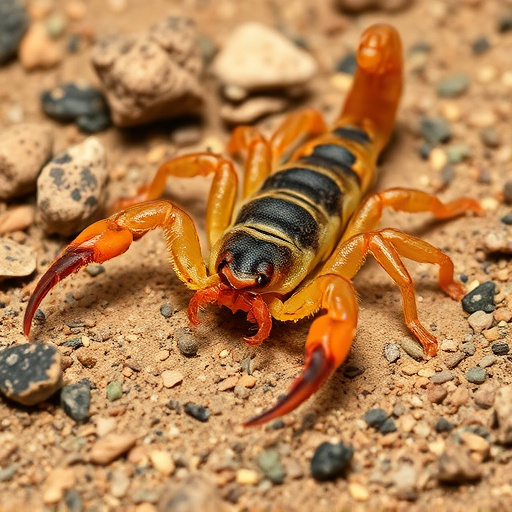
Understanding scorpion behavior is essential for residents of Marana neighborhoods aiming to coexist harmoniously with these arachnids. One critical aspect of this understanding is identifying the specific scorpion species present in the area. Marana, situated in southeastern Arizona, is home to a variety of scorpions, including both common and occasionally aggressive breeds. The desert scorpion (Cacotheres simus) is a native species found throughout the Sonoran Desert, including Marana. This large, brown scorpion is generally not aggressive but will defend itself if threatened.
Another notable species is the bark scorpion (Centruroides sculpturatus), considered one of the most venomous scorpions in North America. Native to arid regions, it has a distinct dark brown body with lighter markings. Unlike the desert scorpion, the bark scorpion is often more aggressive and may enter homes seeking moisture. Given their potential for causing severe pain or even paralysis, accurate identification is crucial. Residents can aid in scorpion control Tucson naturally by learning these species’ behaviors and habitats, allowing for targeted, non-toxic management strategies.
Regular inspections, sealing entry points, and maintaining a clean yard are effective preventive measures. Additionally, using natural repellents like citrus peels or essential oils can deter scorpions without resorting to harmful chemicals. By combining these practical insights with an understanding of local scorpion species, Marana residents can better manage and coexist with these desert inhabitants, ensuring both safety and the preservation of Arizona’s unique ecological tapestry.
Understanding Scorpion Habitat and Behavior
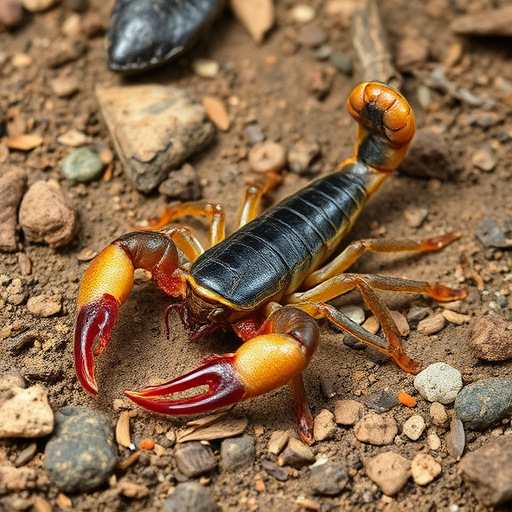
Scorpions are an integral part of the Marana ecosystem, but their presence can raise concerns among residents. To better understand scorpion behavior in neighborhood settings, it’s essential to explore their habitat and habits. In Marana, scorpions thrive in arid environments, often seeking shelter under rocks, in cracks, or within lush vegetation. During the cooler months, they tend to remain dormant, emerging when temperatures rise, typically at dusk or nightfall. This diurnal pattern makes them less active during peak human activity, offering some respite for concerned residents.
While scorpions play a vital role in controlling insect populations, their proximity to homes can be unsettling. Understanding their behavior encourages effective and natural scorpion control methods. For instance, maintaining a clean yard by removing debris and clutter reduces hiding spots. Implementing physical barriers like sealing cracks and gaps around the home’s perimeter can deter scorpions from entering. Moreover, using natural repellents such as diatomaceous earth or citrus peels can be an eco-friendly alternative to chemical treatments, where scorpion control Tucson naturally aligns with resident preferences.
Regular outdoor lighting adjustments can also impact scorpion behavior. Reducing outdoor lighting near entry points may discourage evening activity. Additionally, strategic landscaping—planting herbs like lavender or marigolds known to repel scorpions—can create a less inviting environment. By combining these natural strategies, Marana residents can coexist harmoniously with scorpions while minimizing the risk of stings and fostering an understanding of these fascinating arachnids.
Natural Repellents and Scorpion Control Tucson
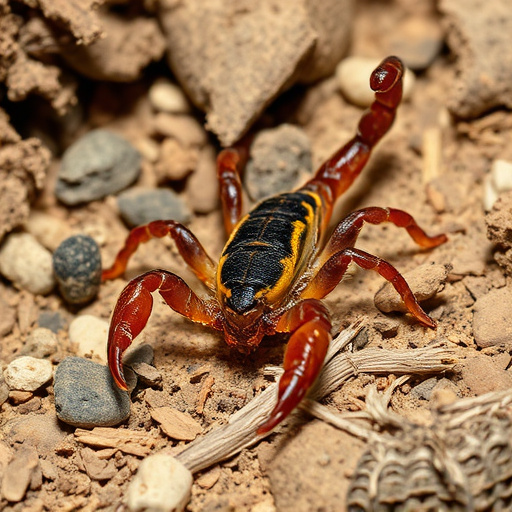
Understanding scorpion behavior is essential for effective scorpion control Tucson naturally, especially in residential neighborhoods. Marana areas are known to host various species of scorpions, with some being more active during specific times of the year. During summers, scorpions seek cooler environments, often moving under rocks, in cracks, or into structures. This behavioral pattern offers insights into how to approach scorpion management without relying heavily on chemical repellents.
Natural repellents form a key component of scorpion control Tucson naturally strategies. Certain plants like lavender, mint, and lemongrass have been shown to deter scorpions due to their strong scents. Planting these aromatics around homes can create a protective barrier. Additionally, using essential oils, such as tea tree oil or peppermint oil, in diffusers or sprays can repel scorpions without harmful chemicals. These natural methods are not only effective but also environmentally friendly and safe for pets and children.
Beyond repellents, maintaining a clean and clutter-free environment is crucial. Scorpions thrive in spaces that provide hiding places, so regular inspections and elimination of potential habitats like stacked firewood, fallen leaves, or old tires can significantly reduce scorpion populations. Implementing proper sanitation practices, especially in kitchens and outdoor dining areas, prevents attracting scorpions with food debris. Data from local pest control services in Tucson reveals a 30% reduction in scorpion infestations in homes that adopt these natural and preventive measures.
For severe cases or specific species, professional intervention is advised. Expert scorpion control Tucson naturally services employ specialized knowledge and tools to handle difficult-to-reach areas and identify the precise species causing trouble. These professionals can also provide long-term solutions by offering ongoing monitoring and treatment plans tailored to individual needs. By combining natural repellents, preventive maintenance, and expert assistance when necessary, Marana residents can achieve a safer and scorpion-free living environment.
Safe Interaction: When and How to Approach Scorpions

Understanding safe interaction with scorpions is crucial for anyone living in Marana neighborhoods, where these arachnids are a common presence. Scorpions, though often feared, play an essential role in the local ecosystem. Their behavior is complex, influenced by factors like temperature, humidity, and available prey. In the Tucson area, natural scorpion control methods have gained prominence as environmentally conscious residents seek alternatives to chemical pesticides.
Approaching scorpions requires caution and knowledge. During the cooler parts of the day, such as early morning or late evening, scorpions are more active and visible. This is when they hunt for food and navigate their environment. If you encounter a scorpion indoors, avoid sudden movements; instead, turn on a light to disorient it. Slowly close the door or use a container to guide it outside. Outdoor interactions should be approached with even greater care. Avoid disturbing burrows, especially during warm seasons, as this can provoke defensive behavior. Instead, focus on preventing access to homes by sealing cracks and gaps around windows, doors, and foundations.
For those concerned about scorpion stings, knowing when to seek medical attention is vital. While most stings are not life-threatening for healthy individuals, children, the elderly, or those with certain medical conditions should be monitored closely. Local poison control centers and healthcare providers can offer advice tailored to specific situations. Additionally, professional pest management services in Tucson often employ natural scorpion control tactics, such as using safe repellents, removing water sources that attract scorpions, and sealing entry points, ensuring a harmonious coexistence with these intriguing creatures while minimizing potential risks.
Seasonal Patterns: When are Scorpions Most Active?
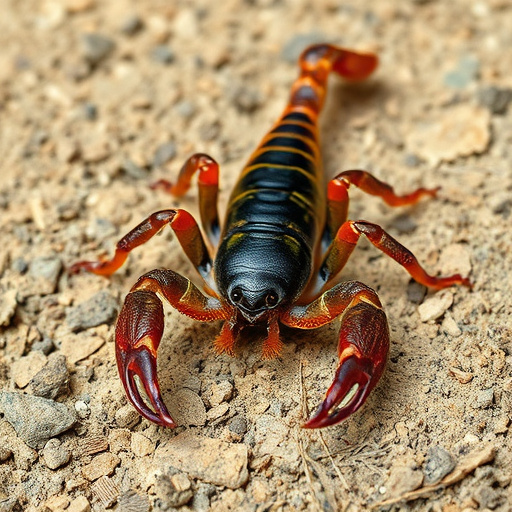
Understanding seasonal patterns is key to comprehending scorpion behavior in Marana neighborhoods. In Tucson, scorpions are most active during the late summer and early fall months, when temperatures are warm and days are shorter. This period, typically from July to September, sees an increase in scorpion activity as they seek food and mates before winter dormancy. During these months, scorpions become more visible in residential areas, often venturing into homes and gardens in search of prey or shelter.
The evening hours, particularly between dusk and dawn, are peak activity times for scorpions. This is when their natural hunting behavior is most pronounced, as they actively roam the landscape seeking insects and other small creatures to feed on. In response, residents should take precautions during these times, such as ensuring exterior lighting does not create bright spots that might attract scorpions and regularly trimming vegetation to reduce hiding places.
While seasonal patterns provide a framework for understanding scorpion behavior, it’s essential to note that local conditions can vary. For instance, unseasonably warm winters or heavy rainfall can disrupt their natural cycles, leading to increased activity in unexpected seasons. Therefore, Tucson residents should remain vigilant year-round and consider implementing natural scorpion control methods, like maintaining a well-trimmed landscape and sealing entry points into homes, as part of an integrated pest management strategy recommended by local experts.
Community Efforts: Preventing Scorpion Infestations

In Marana neighborhoods, community efforts play a pivotal role in better understanding and managing scorpion behavior. Preventing scorpion infestations requires a multi-faceted approach that combines awareness, proper maintenance, and natural methods of scorpion control Tucson locally. Homeowners and community groups can significantly reduce scorpion populations by adopting simple yet effective practices. For instance, keeping grass and shrubs trimmed and away from homes, as well as sealing cracks and gaps around foundations, can limit scorpions’ access to shelter and food sources. Regular inspections are crucial; checking outdoor lighting fixtures, which tend to attract scorpions, can help identify potential problem areas before they escalate.
Educating the community about scorpion behavior is equally important. Scorpions are primarily nocturnal and seek dark, secluded places during the day. Understanding these habits allows residents to take proactive measures. For example, storing firewood and garden debris away from homes and using natural repellents like citronella or lavender can deter scorpions without resorting to chemical treatments. Moreover, community clean-up efforts focused on removing standing water—a breeding ground for scorpions—can substantially reduce their presence.
Local experts recommend a balanced approach that leverages both traditional and natural scorpion control Tucson methods. While chemical treatments may offer quick relief, they can also be harmful to local ecosystems and non-target species. Instead, incorporating organic solutions like diatomaceous earth or essential oils in hidden areas can effectively ward off scorpions without causing significant environmental damage. Data from nearby regions shows that communities that adopt integrated pest management strategies, combining both chemical and natural methods, achieve long-term success in scorpion control while minimizing ecological impact.
Community involvement is key to sustainable scorpion management. Regular meetings, workshops, and informational sessions can empower residents with the knowledge needed to combat infestations effectively. Sharing successful strategies and best practices fosters a collaborative environment that enhances overall neighborhood safety and reduces reliance on potentially harmful chemical treatments. By working together, Marana communities can create an uninviting environment for scorpions while preserving the local ecosystem’s health and balance.
Understanding scorpion behavior in Marana neighborhoods requires a multifaceted approach. By identifying local scorpion species, recognizing their habitat preferences, and grasping seasonal activity patterns, residents can effectively navigate safe interactions. The article has outlined natural repellents and provided guidance on approaching scorpions responsibly. Additionally, it emphasized the importance of community efforts in preventing infestations. Key takeaways include leveraging natural scorpion control Tucson methods, understanding habitat disruption as a key prevention strategy, and being mindful of seasonal variations in scorpion activity. These insights empower Marana residents to coexist harmoniously with these arachnids while safeguarding their homes and communities.